

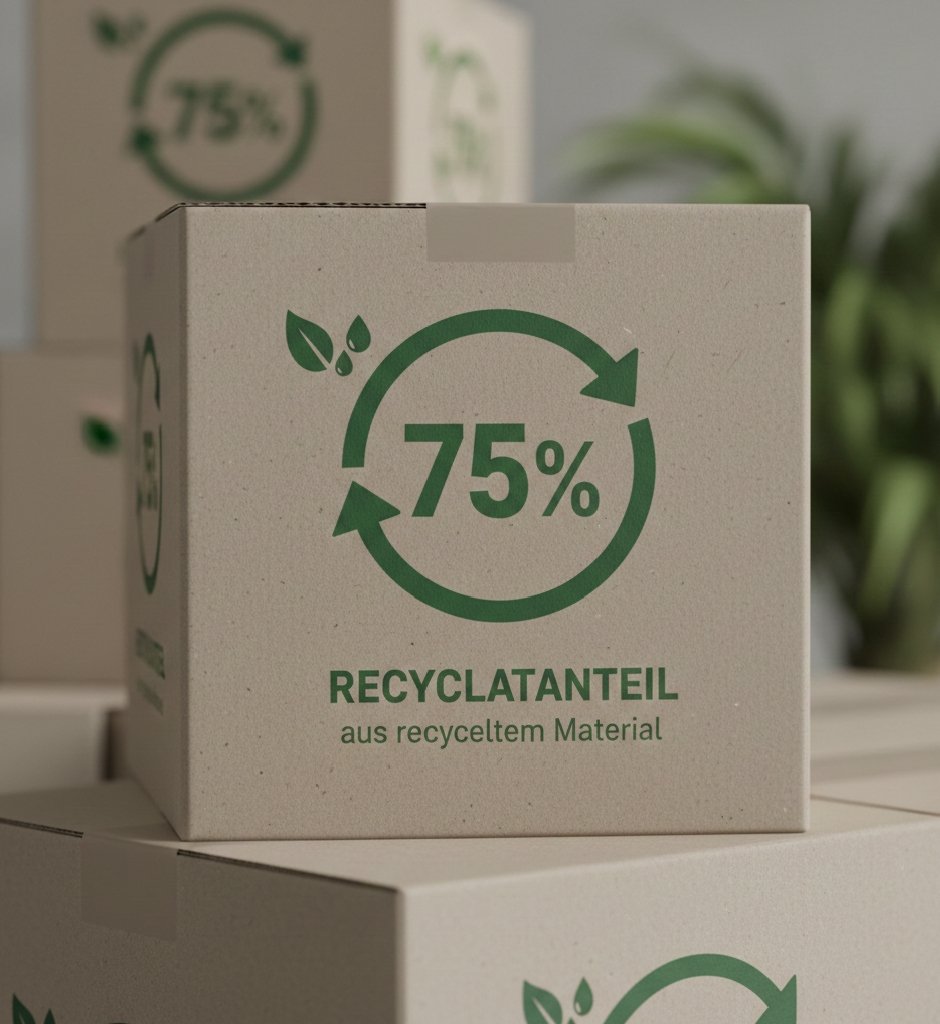
Sustainability is a hot topic today, with climate change, the circular economy, and waste reduction taking center stage. People are increasingly searching for ways to minimize their environmental footprint. One term that has gained traction in recent years is “Recyclatanteil,” which means “recycled content.” This term has become particularly important in industries like manufacturing, construction, and packaging. Let’s take a closer look at what Recyclatanteil means, why it matters, and how it’s influencing the future of sustainability.
What is Recyclatanteil?
Recyclatanteil refers to the proportion of recycled materials in a product’s production. In simple terms, it’s the percentage of a product made from recycled content rather than new materials. For instance, if a company produces plastic bottles and 30% of the material is recycled plastic, the Recyclatanteil of that bottle is 30%.
This term is used as an indicator of a company’s sustainability efforts. It shows how much of a product is made from materials that have already been used, helping reduce the need for raw material extraction.
The Importance of Recyclatanteil in the Circular Economy
Recyclatanteil plays a key role in the circular economy. The circular economy aims to keep products and materials in use for as long as possible, reducing waste and conserving resources. The idea is to minimize waste through reusing, repairing, refurbishing, and recycling products.
When companies increase Recyclatanteil, they support the circular economy by reducing the need for new raw materials. This also minimizes waste and lessens the environmental impact of resource extraction.
How Recyclatanteil Helps Reduce Environmental Impact
The environmental benefits of focusing on Recyclatanteil are significant. Recycling materials generally consumes less energy and water and emits fewer carbon emissions than creating products from scratch. For example, recycling aluminum uses only a fraction of the energy needed to create aluminum from raw bauxite.
Here’s a closer look at how increasing Recyclatanteil benefits the environment:
- Reduced Energy Consumption: Recycling metals, paper, and plastics can be far more energy-efficient than making new materials.
- Lower Carbon Footprint: Because recycled materials require less processing, they generate fewer greenhouse gas emissions.
- Resource Conservation: Using recycled materials helps preserve natural resources by reducing the need for mining and extraction.
Recyclatanteil in Packaging: A Key Player in Reducing Waste
Packaging is a major focus when it comes to Recyclatanteil. With the growing issue of plastic waste, companies are increasingly turning to recycled materials in their packaging. These include recycled plastic, paper, and glass, which are remade into new containers, bottles, and packaging.
Examples of sustainable packaging:
- Many brands now produce shampoo bottles and food containers using recycled plastic.
- Some food products now feature biodegradable or recyclable paper packaging.
- Recycled glass is being used to create new beverage containers.
These efforts help reduce plastic waste while also encouraging consumers to recycle more, as they see the impact of their actions reflected in the products they use.
How Industries Are Responding to the Recyclatanteil Demand
Industries across the globe are recognizing the importance of incorporating more recycled content into their products. Many manufacturers are setting ambitious targets to increase the Recyclatanteil in their goods. Sectors such as automotive, fashion, and electronics are leading the way with innovative solutions for incorporating recycled materials.
The Automotive Industry
Automakers are working to reduce their environmental footprint by using recycled materials in vehicle production. Many car parts now contain recycled plastic, metal, and even textiles. These efforts help lower the carbon footprint of vehicle manufacturing and reduce reliance on raw materials.
The Fashion Industry
The fast fashion industry has often been criticized for its environmental impact. However, brands are increasingly incorporating recycled materials into their designs. Recyclatanteil in fashion refers to clothing made from recycled fibers, such as those created from plastic bottles or old fabrics. As the popularity of “upcycling” and “slow fashion” grows, more brands are choosing to use recycled content in their garments.
The Electronics Industry
In electronics, manufacturers are using recycled materials in products such as smartphones, laptops, and other devices. By using recycled metals like copper and aluminum, companies can reduce the environmental impact of producing these devices. Apple, for instance, has taken significant steps by increasing the recycled content in its products and even developing robots like Daisy to disassemble old phones and recover valuable materials.
How Consumers Can Play a Role in Recyclatanteil
While industries are leading the way in adopting more sustainable practices, consumers also play a vital role. By choosing products with higher Recyclatanteil, supporting sustainable brands, and recycling properly, consumers can help drive the demand for products with recycled materials.
Tips for consumers:
- Look for eco-friendly labels or certifications that indicate high Recyclatanteil.
- Choose reusable products to cut down on packaging waste.
- Participate in local recycling programs to ensure that materials get reused instead of being sent to landfills.
The Future of Recyclatanteil: What Lies Ahead?
The push for higher Recyclatanteil is set to grow in the coming years. Governments and businesses are working together to create stricter regulations around recycling and sustainability. In the European Union, for example, there are increasing requirements for companies to use recycled materials, especially in packaging.
As recycling technology continues to evolve, we may see even more materials become recyclable, which could open new possibilities for using recycled content in a wider range of products. Advances like chemical recycling, which breaks down plastics into their original components for reuse, are making it possible to recycle materials that were previously difficult to process.
The future of Recyclatanteil looks promising. As industries adopt these practices, the environmental benefits will continue to grow.
Conclusion
Recyclatanteil is more than just a buzzword—it’s an essential part of the push toward a more sustainable future. By using more recycled content, companies are reducing waste, conserving resources, and helping to protect the environment. As consumers, we also have a responsibility to support these efforts. With continued innovation and stricter regulations, the role of Recyclatanteil will only become more significant in the years ahead. Together, we can make a real difference in building a more sustainable world.
