

Introduction
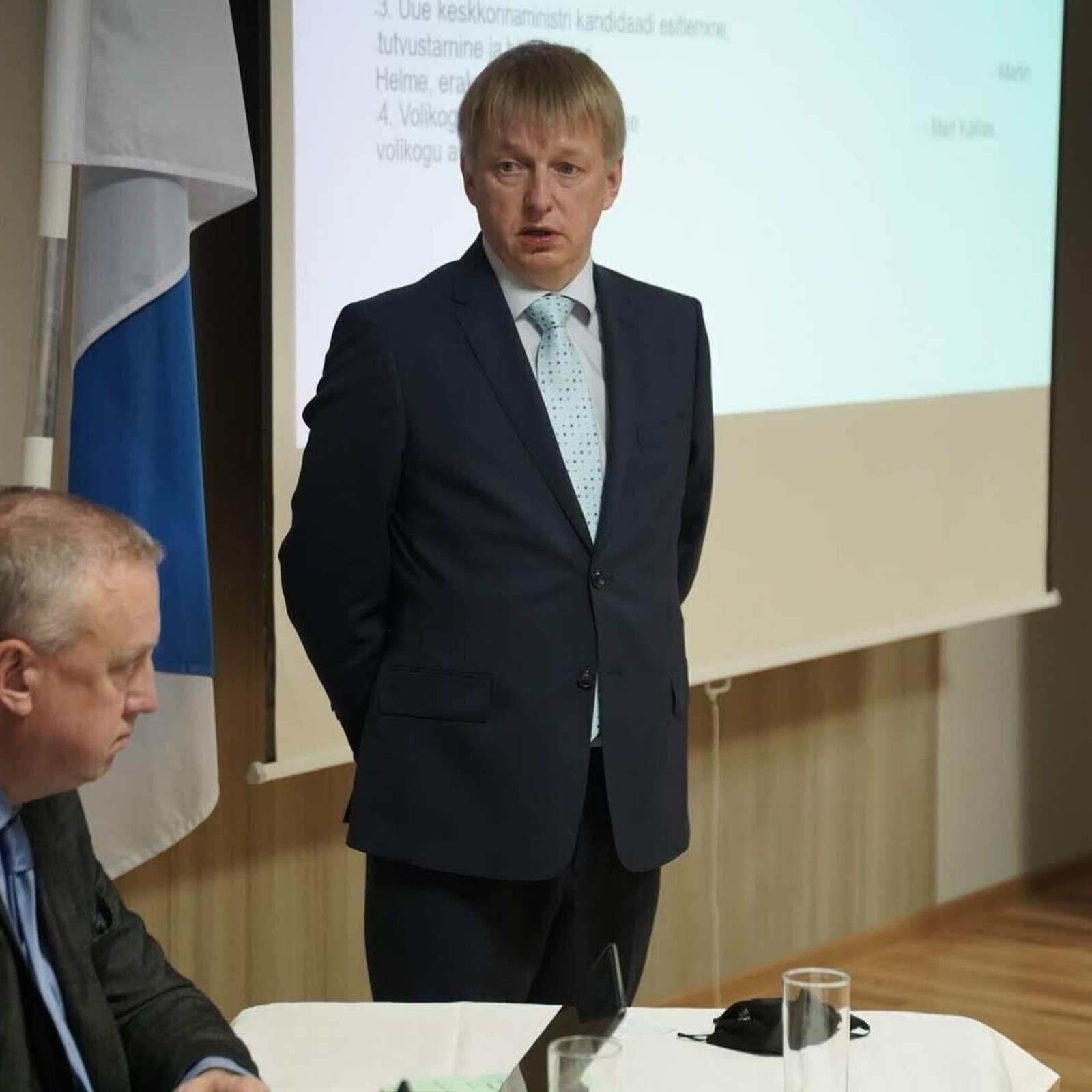
Rain Epler is a prominent Estonian politician, businessman, and public figure. Over the years, he has steadily increased his influence. Known for his outspoken political views and bold decision-making, Epler has become one of Estonia’s most polarizing figures. His involvement in both the private sector and political spheres has placed him in a unique position. He blends economic pragmatism with conservative-nationalist ideals. This article offers an in-depth look at his early life, career, political evolution, controversies, and the impact of his decisions on Estonia’s environment and economy.
Early Life and Education
Rain Epler was born on June 6, 1977, in Tallinn, Estonia. He grew up during the country’s transition from the Soviet Union to a market-based democracy. His education reflects his interest in business and a desire to engage with the globalized economy. Epler completed his secondary education at Johannes Käis Põlva Secondary School in 1995. He then attended the University of Tartu, where he studied Management and Foreign Economy, graduating in 2000.
Epler’s academic background laid the foundation for his future career in business and finance. Growing up in Estonia’s emerging capitalist economy likely influenced his pragmatic approach to politics and governance.
Business Career
Before entering politics, Epler had a diverse career across industries. His experience ranged from insurance to information technology, helping shape his entrepreneurial ventures.
Epler worked for If P&C Insurance from 1997 to 2003. During this time, he gained experience in financial markets, risk management, and corporate development. He then served as Development Manager at Hansa Kindlustusmaakler (2003–2005) and took a position at Swedbank from 2005 to 2006.
Epler transitioned to IT and consulting, working for Aon as the Central and Eastern European IT Manager between 2009 and 2012. His leadership and problem-solving skills strengthened during his time as a sales and marketing manager at RSA Kindlustus (2012–2014).
However, Epler’s career took an entrepreneurial turn. By 2020, he had established several businesses, including Pühajõe Brewery, Baltic Fleet Company, and a consultancy firm specializing in computer services. His business expertise played a significant role in his later political decisions.
Entry into Politics
Rain Epler entered politics after years of involvement in Estonian business. Initially, he aligned with Pro Patria Union, being a member from 2000 to 2006. Later, he ran for office in the 2017 municipal elections in Võru as a candidate for the Estonian Reform Party.
In 2019, Epler joined the national political stage when appointed as an advisor to Martin Helme, the Finance Minister at the time. Epler’s role included advising the government on economic and business policy, giving him significant involvement in key state institutions like Enterprise Estonia, KredEx, and the State Forest Management Centre.
Epler’s ideological shift became evident in 2020 when he joined the Conservative People’s Party of Estonia (EKRE), a right-wing nationalist party. EKRE advocates for stricter immigration policies and more conservative views on issues like climate change and national sovereignty.
Minister of the Environment (November 2020 – January 2021)
Epler’s most high-profile role came when he was appointed Minister of the Environment on November 16, 2020, under Jüri Ratas’s government. His tenure, although brief, was marked by decisive actions that garnered attention both in Estonia and internationally.
One of Epler’s most controversial decisions was the fishing license reform. This change shortened the validity of gillnet fishing cards to just seven days. This contrasted with the previous practice of allowing them until the end of the calendar week. The reform sparked protests from the fishing community, who felt it threatened their livelihood.
In December 2020, Epler approved a new forest-cutting plan covering 56,000 hectares over the next five years. This decision mirrored previous plans, but environmental groups criticized it. They feared it would harm Estonia’s forests in the long term. Additionally, he dismissed the forestry development committee, replacing it with one he felt would focus more on long-term sustainability.
Epler’s skepticism about mainstream environmentalist views on climate change also made headlines. He questioned the extent to which human activity contributes to global warming. His stance clashed with the broader environmental community.
Despite these bold policy actions, Epler resigned from his position when Prime Minister Jüri Ratas’s government fell in January 2021.
Role in the Estonian Parliament
After his time as Minister of the Environment, Epler continued to shape Estonia’s political landscape. He ran in the 2021 local elections as EKRE’s mayoral candidate in Võru. Epler secured a seat on the Võru City Council and became chairman of its audit committee, maintaining a significant influence on local governance.
In the 2023 Estonian parliamentary elections, Epler ran in the 11th electoral district, representing the areas of Võru, Valga, and Põlva. His victory in the national parliament Riigikogu confirmed his continued presence as a leading voice within EKRE.
Public Image and Controversies
Epler’s political decisions, as well as his public image, have earned him both support and criticism. His stance on environmental issues and fishing and forestry regulations has generated backlash from environmentalists, who accuse him of undermining efforts to combat climate change.
Beyond his policies, Epler’s distinctive appearance, particularly his controversial hairstyle, has attracted media attention. Some international outlets even labeled it “the worst political haircut ever,” but this kind of attention only adds to his notoriety.
Despite the criticism, Epler enjoys strong support from rural voters, who appreciate his focus on addressing the needs of smaller towns and regions often overlooked by policymakers in the capital. His criticism of urban-centric policies resonates with those who feel their concerns are ignored in Tallinn.
Political Philosophy and Future Directions
Epler’s political philosophy is defined by a few core principles:
- Advocacy for Rural and Regional Issues: Epler argues that Estonia’s national policies often ignore the needs of rural communities, particularly when it comes to infrastructure, schools, and healthcare.
- Environmental Skepticism: Epler consistently questions the conventional view that human activity is the primary cause of climate change. His support for nuclear energy and deregulation shows his desire to pursue a more pragmatic approach to energy and environmental issues.
- Pragmatic Governance: Epler’s business background gives him a more results-oriented approach to governance. He focuses on economic efficiency and practical solutions to problems, often favoring direct action over theoretical solutions.
Epler is likely to remain influential in Estonia’s energy transition, advocating for a mixed energy strategy that combines renewable sources with nuclear power. His influence in rural politics will also continue as he pushes for policies that prioritize local needs.
Conclusion
Rain Epler’s career reflects a blend of bold decision-making, business acumen, and political influence. His path from businessman to politician has shaped Estonia’s national discourse, especially on controversial issues like climate change and rural development. Although his policies often spark debate, Epler’s direct approach and commitment to addressing the concerns of rural Estonia have earned him a significant following. As Estonia continues to navigate its political and environmental challenges, Epler’s influence will likely remain a key factor in shaping the country’s future.
