

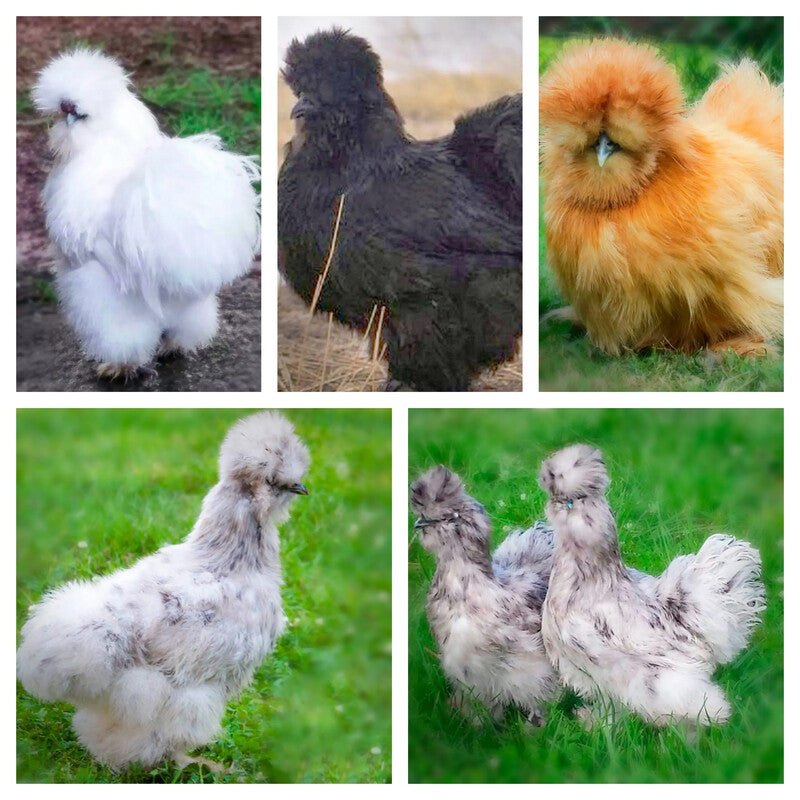
The term fur hen is commonly used to describe chickens that have extremely soft, fluffy, and fur-like feathers instead of the typical smooth plumage seen in most poultry breeds. Although “fur hen” is not a scientific or officially recognized breed name, it has become a popular term among poultry enthusiasts, backyard chicken keepers, and online communities to describe ornamental chickens with unique feather structures.
Fur hens are admired for their adorable appearance, gentle temperament, and pet-like behavior. Their feathers resemble fur because they lack the usual structure that allows feathers to lie flat. This makes them look round, puffy, and plush, almost like living stuffed toys. Over time, fur hens have gained massive popularity, especially on social media, where images and videos of fluffy chickens quickly go viral.
This article explores everything about fur hens — their meaning, history, biology, breeds, behavior, care requirements, uses, myths, and cultural importance — in a detailed and easy-to-understand way.
What Is a Fur Hen?
A fur hen refers to a domestic chicken that has unusually soft, downy, fur-like feathers. Unlike normal chicken feathers that have tightly interlocking barbs, fur hen feathers are loose and fluffy, giving them a furry texture. These chickens are still regular domestic chickens (Gallus gallus domesticus), but selective breeding has altered their feather structure.
The word “fur” is used descriptively, not literally. Fur hens do not grow mammal fur; instead, their feathers mimic the look and feel of fur. Because of this distinctive trait, people often mistake them for exotic animals or assume they are genetically engineered, which is not true.
Origin and History of Fur Hens
The concept of fur-like chickens is not new. Fluffy chickens have existed for centuries, especially in Asia. Historical records describe chickens with hair-like feathers being seen and traded along ancient trade routes.
Travelers who visited East Asia centuries ago wrote about chickens with feathers that looked more like wool or silk. These descriptions fascinated people in Europe, where such birds were unknown at the time. Over the years, breeders selectively preserved and enhanced these feather traits for ornamental purposes rather than productivity.
Fur hens became symbols of curiosity, beauty, and rarity. They were often kept by royalty, collectors, and farmers who valued unique livestock. As poultry breeding advanced, these chickens became more accessible and eventually found their way into backyard flocks worldwide.
Why Fur Hens Look Like They Have Fur
Feather Structure Explained
Normal feathers have:
- A central shaft
- Barbs and barbules that interlock
- A flat, smooth surface
Fur hens lack the tiny hooks (barbules) that hold feathers together. Because of this:
- Feathers don’t lie flat
- Air gets trapped between fibers
- The bird appears fluffy and round
This genetic trait creates the soft, fur-like texture that defines a fur hen.
Purpose of Fur-Like Feathers
Originally, feathers evolved for insulation and protection. In fur hens, the fluffiness provides excellent insulation but reduces waterproofing and flight ability. These birds rely on human care rather than survival in the wild.
Common Breeds Known as Fur Hens
Although “fur hen” is not an official breed, several chicken breeds are commonly labeled as fur hens due to their appearance.
Silkie Chicken
The Silkie is the most famous fur hen. It has:
- Ultra-soft, silk-like feathers
- Black skin and bones
- A calm, friendly personality
- High broodiness
Silkies are widely kept as pets, show birds, and broody hens for hatching eggs.
Frizzle Chickens
Frizzles have feathers that curl outward instead of lying flat. When combined with fluffy genetics, they appear extremely furry. Frizzle Silkies are especially popular among fur hen lovers.
Cochin Chickens
Cochins are large, fluffy birds with thick feathering on their legs and bodies. While not silky, their puffed-up look often places them under the fur hen category.
Polish Chickens
Polish chickens have large feather crests on their heads that give them a fur-like appearance, especially around the face.
Physical Characteristics of Fur Hens
Fur hens are easy to recognize due to their unique features:
- Soft, fluffy feathers
- Rounded body shape
- Reduced ability to fly
- Small wings relative to body size
- Feathers that feel warm and plush
Some fur hens also display unusual traits like:
- Feathered feet
- Crests or head tufts
- Dark skin pigmentation
Their appearance often makes them look larger than they actually are.
Behavior and Temperament
One of the biggest reasons people love fur hens is their personality.
Gentle and Friendly Nature
Fur hens are typically calm, docile, and friendly. They are easy to handle and rarely aggressive, making them ideal for:
- Families
- Children
- First-time chicken owners
Social Behavior
Like all chickens, fur hens are social animals. They enjoy living in flocks and form strong bonds with both humans and other chickens.
Broodiness
Many fur hens, especially Silkies, are naturally broody. They love to sit on eggs and are excellent mothers, often used to hatch eggs from other poultry species.
Egg Production of Fur Hens
Fur hens are not primarily raised for egg production, but they do lay eggs.
- Egg size: small to medium
- Egg color: cream, white, or light brown
- Laying rate: moderate
Compared to commercial laying breeds, fur hens produce fewer eggs. However, their eggs are perfectly edible and nutritious.
Meat Quality
Although fur hens can be eaten, they are rarely raised for meat due to:
- Smaller body size
- Slower growth
- Ornamental value
In some cultures, certain fur hen breeds are considered delicacies because of their unique skin color and texture.
Housing and Environment
Fur hens need special care due to their feather type.
Shelter Requirements
- Dry, well-ventilated coop
- Protection from rain and moisture
- Clean bedding
Wet feathers can mat easily and lead to health issues, so keeping their environment dry is crucial.
Space Needs
Because fur hens cannot fly well, perches should be lower than normal. They prefer easy access to food and water.
Feeding and Nutrition
Fur hens eat the same diet as other chickens:
- Balanced poultry feed
- Fresh water
- Occasional fruits and vegetables
Extra protein during molting helps maintain feather quality.
Health and Grooming
Common Health Concerns
- Feather matting
- Parasites hiding in thick plumage
- Reduced cold or wet weather tolerance
Grooming Tips
- Keep feathers dry
- Check regularly for lice or mites
- Trim feathers around eyes if vision is blocked
With proper care, fur hens can live healthy and comfortable lives.
Fur Hens as Pets
Fur hens are often treated more like pets than farm animals. Many owners name them, hand-feed them, and allow them to interact closely with humans.
They are:
- Quiet
- Gentle
- Affectionate
This makes them perfect for people who want chickens primarily for companionship rather than production.
Cultural and Social Media Popularity
Fur hens have become internet sensations. Their fluffy appearance makes them highly shareable on:
- Social media
- Blogs
- Pet forums
They symbolize cuteness, uniqueness, and calmness, contributing to their growing popularity worldwide.
Myths and Misconceptions About Fur Hens
“Fur hens are a different species”
False. They are normal domestic chickens.
“They grow real fur”
Incorrect. They have feathers, not fur.
“They are genetically modified”
No. Their traits result from selective breeding over generations.
Advantages of Keeping Fur Hens
- Unique appearance
- Friendly temperament
- Good mothers
- Educational value
- Ideal pets
Disadvantages of Fur Hens
- Lower egg production
- Higher grooming needs
- Poor flying ability
- Sensitive to wet conditions
Fur Hen Lifespan
With good care, fur hens typically live:
- 5 to 8 years
Some may live even longer in ideal conditions.
Fur Hens in Education and Therapy
Due to their calm nature, fur hens are sometimes used in:
- Educational farms
- Therapy settings
- Animal interaction programs
Their softness and gentle behavior make them soothing to interact with.
Future of Fur Hens
As backyard farming and pet poultry grow in popularity, fur hens are expected to remain in demand. Ethical breeding and proper care will be essential to preserve their health and well-being.
Conclusion
The fur hen is a beautiful example of how selective breeding can create extraordinary animals from ordinary species. Though not a scientific term, fur hen perfectly describes chickens with soft, fluffy, fur-like feathers that capture hearts worldwide. They are gentle, charming, and visually stunning birds that bring joy to homes, farms, and online communities.
Whether kept as pets, show birds, or companions, fur hens represent the softer side of poultry keeping. With proper care, love, and understanding, they thrive and continue to enchant people of all ages.
