

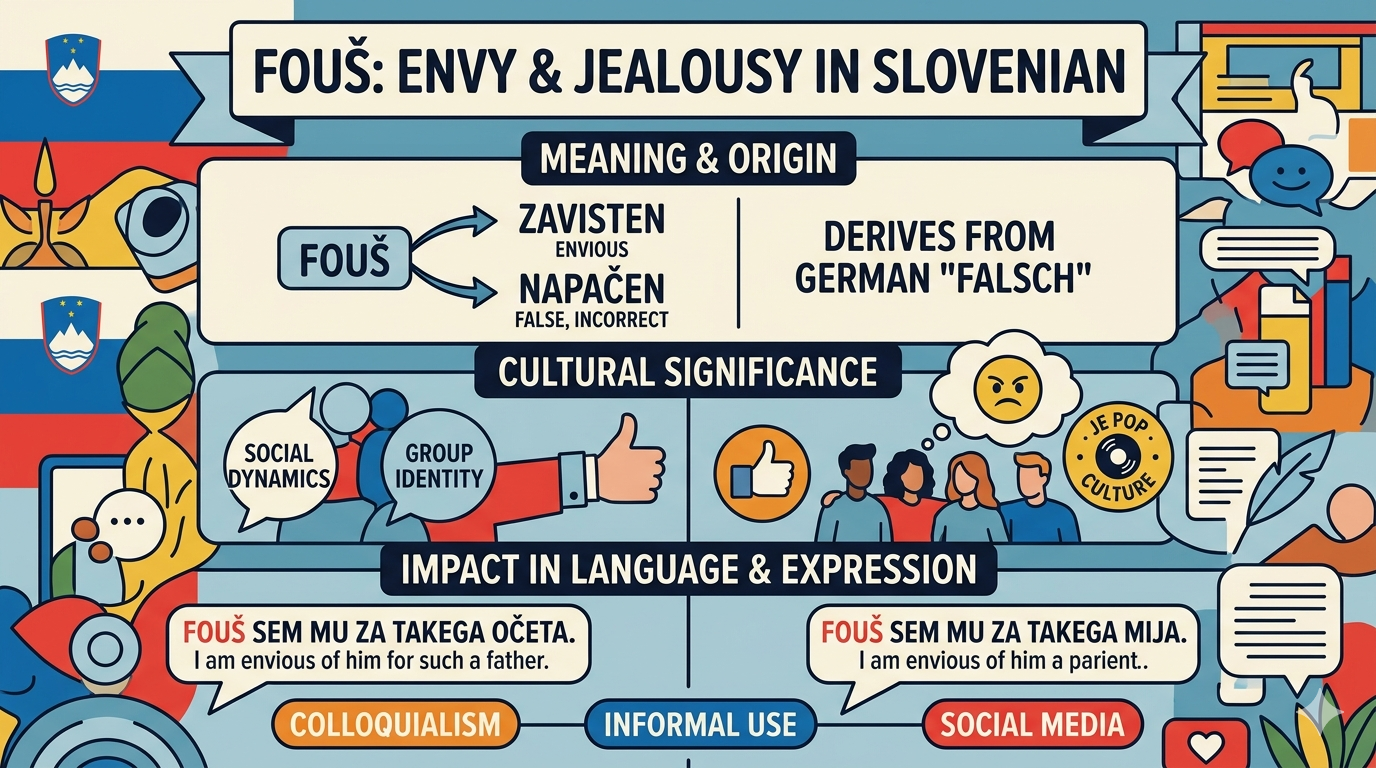
Language is a living, breathing reflection of human experience, carrying with it the weight of history, culture, and emotion. Some words may appear simple at first glance, yet they have layered meanings and fascinating origins. One such term is “fouš”. While it isn’t widely recognized in English dictionaries, it is closely connected to the French words fou and fous, which carry rich histories and significant cultural resonance. Understanding fouš allows us to explore linguistic evolution, cultural symbolism, and the ways humans express emotion through language.
Meaning of Fouš
The word fouš can be understood primarily through its French counterparts:
- Fou (singular) — means “crazy,” “mad,” or “insane.”
- Fous (plural) — means “crazy people” or is used to intensify the meaning in phrases.
These words go beyond mere descriptions of mental states. They also express extreme emotions, creativity, or passionate behavior. For example, in French, someone might say fou de joie, meaning “crazy with joy,” to describe overwhelming happiness. Similarly, fous de rage conveys “crazy with anger,” emphasizing intensity rather than clinical insanity.
In everyday usage, the term fou or fous can describe someone acting unpredictably, eccentric, or extraordinarily passionate. It carries both literal and figurative meanings, showing the flexibility of language in expressing complex human emotions.
Origins and Linguistic Roots
The origin of fou and fous traces back to Latin. They derive from the word follis, meaning “bellows” or “bag filled with air.” Over time, this physical concept of inflation became a metaphor for an “inflated” or “unbalanced” mind, giving rise to the idea of madness or irrationality.
From Latin, the term entered Old French as fol (singular) and fols (plural). Over centuries, these words evolved phonetically and orthographically into modern French fou and fous. The transformation illustrates the natural progression of language: meanings shift, sounds change, and words adapt to new cultural contexts.
Interestingly, similar forms exist in other languages. For instance, in Scots dialect, fou historically meant “drunk” rather than “mad,” showing how linguistic roots can diverge in meaning across regions. This reflects how pronunciation and spelling can influence perception and usage in different cultures.
Cultural Significance
Literature and Art
In French literature and art, the figure of the fou is more than just a symbol of insanity. Writers often depict fou characters as visionaries, rebels, or nonconformists. They challenge societal norms, offering insight through behavior considered eccentric or irrational. The “madman” can represent freedom, creativity, or even hidden wisdom.
Artists and intellectuals described as fous are often celebrated for their boldness, unpredictability, and refusal to conform. The term becomes a badge of creativity, highlighting the close relationship between unconventional thinking and artistic genius.
Idiomatic Expressions
French idioms frequently use fou and fous to convey emotional intensity:
- Fous de joie — “crazy with joy”
- Faire le fou — “to act the fool,” often playful
- Fous à lier — “mad as a hatter”
These phrases demonstrate that fou is not always negative. It can describe someone overwhelmed by emotion, someone playful, or someone acting outside societal expectations in a positive, exaggerated way.
Emotional Expression
The word also reflects the human desire to express extreme emotion. Saying someone is fou de bonheur (“crazy with happiness”) doesn’t suggest mental instability but communicates the intensity of feeling. This linguistic exaggeration enriches communication, allowing speakers to express what mere literal words cannot.
Misinterpretations and Variants
Because “fouš” isn’t formally recognized in English, it can sometimes be confused with other similar-looking words. There are rare surnames like Foush or Fousch, often originating from Germanic roots such as Fuchs (meaning “fox”). While these names resemble fouš, they have entirely different etymologies and cultural contexts.
Phonetically, fouš may also be misheard as “foos” or “fuse.” Understanding pronunciation and context is essential to avoid confusion, particularly in cross-linguistic situations.
Broader Cultural Reflections
Words like fou and fous show how language captures both cultural attitudes and emotional nuance. In French society, the term can be critical, playful, or admiring. It often highlights boldness, eccentricity, or passionate intensity rather than literal insanity.
From a broader perspective, the term reflects how humans globally use language to articulate mental states, creativity, and extreme emotions. It demonstrates that words evolve beyond literal meanings to carry metaphorical, symbolic, and emotional weight.
Conclusion
Although “fouš” may seem unfamiliar at first glance, its meaning and significance are deeply rooted in French language and culture. It embodies concepts of madness, emotional intensity, eccentricity, and creative energy. Its history traces back to Latin, passing through Old French, and adapting over centuries into a word that can describe not just irrationality but also passion and freedom of expression.
In literature, idioms, and daily speech, fou and fous provide insight into how societies perceive mental states, behavior, and emotion. They reveal the fascinating ways that a single word family can carry centuries of linguistic evolution and cultural nuance. Exploring fouš invites us to appreciate how even a small term can illuminate the complexities of human expression, creativity, and social identity.
In short, fouš is not just a word—it is a window into the interplay of language, culture, and human emotion, showing that what seems simple on the surface can have profound depth beneath.
