

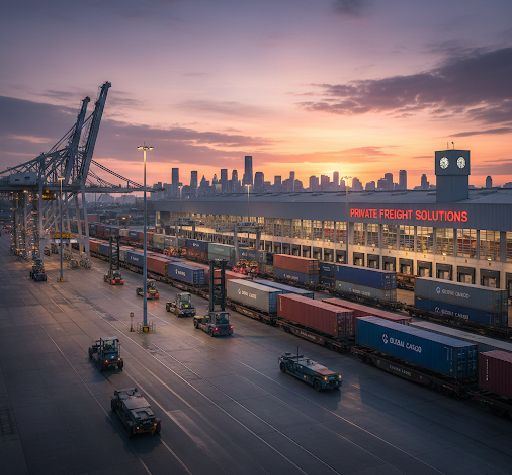
Freight terminals are key hubs in the logistics and supply chain industry, but when it comes to more specialized operations, private freight terminal play a crucial role. These facilities are not just for big companies; they’re designed to meet specific needs and offer numerous advantages over public terminals. In this article, we’ll break down what private freight terminals are, how they function, and why they matter.
What Is a Private Freight Terminal?
A private freight terminal is a dedicated facility where freight operations, including the receiving, handling, and dispatching of goods, are managed by a private entity rather than a public authority. These terminals are typically owned and operated by businesses that require a tailored, efficient, and reliable method to move goods. Unlike public terminals, where multiple companies share space and resources, private freight terminals are designed for the exclusive use of the company or a specific group of clients.
Key Characteristics:
- Private Ownership: Operated by businesses for their own needs.
- Specialized Services: Tailored to specific industries or types of freight.
- Exclusive Use: Not shared with multiple businesses.
Why Choose a Private Freight Terminal?
Private freight terminals provide various benefits, making them an attractive option for businesses involved in logistics, warehousing, and transportation. Let’s take a closer look at why many businesses opt for private facilities.
1. Increased Control Over Operations
With a private freight terminal, businesses have full control over their operations. Whether it’s scheduling shipments or managing the flow of goods, companies can create a system that works best for them. This eliminates the frustration of relying on a third party and reduces delays caused by public terminal constraints.
- Custom schedules: Businesses can set their own pickup and delivery times.
- Personalized workflows: The facility can be optimized for specific types of goods, improving efficiency.
2. Enhanced Security
Security is always a major concern when handling freight, especially with high-value or sensitive goods. With a private freight terminal, businesses can implement their own security measures, ensuring that shipments are protected from theft, damage, or unauthorized access. These terminals typically have stricter access control, surveillance, and monitoring systems compared to public facilities.
- Restricted access: Only authorized personnel can enter.
- Surveillance systems: 24/7 monitoring to ensure the safety of goods.
3. Faster and More Efficient Operations
Time is money, and every business wants to save time when it comes to moving goods. With fewer bottlenecks and more direct processes, private freight terminals often lead to faster turnaround times. Whether it’s the loading and unloading of goods or the actual transportation process, private terminals are designed to streamline these tasks.
- No waiting times: No need to wait in long queues like at public terminals.
- Specialized equipment: Tailored machinery for specific types of freight.
Benefits of a Private Freight Terminal
When compared to public freight terminals, private facilities have distinct advantages that can help businesses optimize their supply chain operations.
1. Customized Infrastructure
Private freight terminals can be designed and equipped with infrastructure that specifically meets the needs of the business. This could mean having specialized equipment for handling perishable goods, dangerous materials, or oversized items. Custom-built storage and loading areas can enhance operational efficiency and reduce the risk of damage to goods.
- Tailored storage: Shelves, racks, and refrigeration systems can be customized.
- Specialized handling equipment: Cranes, forklifts, and pallets suited for specific freight types.
2. Cost-Effectiveness Over Time
Although the initial investment for setting up a private terminal can be high, businesses often find that it pays off in the long run. By cutting down on delays, improving the security of their shipments, and optimizing logistics, companies can save significant amounts of money. Moreover, they avoid the fees often associated with public terminals, like storage fees or access charges.
3. Better Customer Service
With more control over the freight process, businesses can provide better customer service. Customizing the service to meet client needs, improving delivery times, and handling specific requirements become much easier when using a private terminal. Happy customers often mean more repeat business, so this is a win for both sides.
- Improved delivery times: Deliver products faster and with fewer delays.
- Customer satisfaction: Personalized service tailored to customer needs.
Types of Goods Handled by Private Freight Terminals
Private freight terminals are incredibly versatile. Depending on the industry, different types of goods may be processed in these specialized facilities. Here are some of the most common types:
- Perishable Goods: Foods, flowers, and other temperature-sensitive items often require private freight terminals that include refrigerated storage and fast processing.
- Hazardous Materials: Dangerous chemicals, fuels, and explosives require carefully controlled environments. Private terminals can offer the right facilities to manage these materials safely.
- Heavy Machinery: Construction equipment, vehicles, and other large items benefit from private terminals that are equipped to handle oversized freight.
How to Set Up a Private Freight Terminal
Setting up a private freight terminal isn’t something that happens overnight, and it requires significant planning and resources. However, businesses that need such facilities often find it worth the investment.
Steps to Consider:
- Location: A strategic location near transport hubs like railways, highways, or ports is crucial.
- Facility Design: Tailor the facility layout to the type of goods you will be handling. This includes storage systems, loading docks, and security systems.
- Compliance: Ensure the terminal complies with all local regulations, especially for industries handling hazardous or perishable goods.
- Staffing: Hire experienced personnel to manage operations, security, and maintenance.
Conclusion
A private freight terminal can be a game-changer for businesses looking for increased control, faster delivery times, and a more secure supply chain. While the initial costs might be high, the long-term benefits, such as improved customer satisfaction, reduced delays, and customized infrastructure, can make it a smart investment. As the demand for specialized freight services grows, private freight terminals are increasingly becoming a key asset for businesses aiming to stay competitive in today’s fast-paced logistics landscape.
When you need to move goods efficiently, securely, and on time, having your own private freight terminal might just be the solution you’ve been looking for.
