

Community parks are meant to be places where people gather, relax, exercise, and connect with nature. They serve as the heart of neighborhoods, offering spaces for recreation and social interaction. However, not every park is equally accessible to all visitors. Designing accessible community parks ensures that individuals of all ages and abilities can enjoy the outdoors without barriers. By incorporating thoughtful features and inclusive design principles, communities can create spaces that truly welcome everyone.
Understanding Accessibility in Park Design
Accessibility in park design goes beyond installing a few ramps or paved paths. It means creating an environment where people with mobility challenges, visual or hearing impairments, and other disabilities can move freely and safely. Inclusive parks consider the needs of parents with strollers, older adults, children, and individuals with temporary injuries as well.
The goal is to remove obstacles that might prevent someone from fully participating in park activities. This approach is often guided by universal design principles, which aim to create spaces that work for the widest range of users without the need for specialized adaptations.
Accessible Pathways and Navigation
One of the most essential elements of an accessible park is its pathway system. Walkways should be wide, smooth, and free from obstacles to allow wheelchair users and those with mobility aids to navigate comfortably. Surfaces such as concrete, asphalt, or compacted gravel can provide stable footing while also being easy to maintain.
Clear signage and wayfinding are also critical. Large, high-contrast signs help visitors with visual impairments identify park features such as restrooms, playgrounds, and picnic areas. Tactile maps or audio guidance systems can further enhance navigation for those who need additional assistance.
Inclusive Playgrounds for All Children
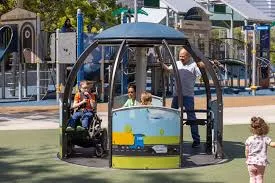
Playgrounds are a highlight of community parks, but traditional designs often exclude children with disabilities. Inclusive playgrounds focus on equipment and layouts that allow all children to play together.
Features such as wheelchair-accessible ramps, sensory play panels, and ground-level equipment help ensure that every child can participate. Swings designed for different physical abilities, interactive musical elements, and textured play surfaces also provide engaging experiences for kids with diverse needs.
Beyond equipment, the layout should encourage interaction among children of different abilities, fostering understanding and social inclusion from an early age.
Comfortable and Accessible Amenities
Amenities such as seating areas, restrooms, and picnic spaces should be designed with accessibility in mind. Benches with back support and armrests help visitors sit and stand comfortably. Tables that accommodate wheelchairs allow everyone to share meals together.
Restrooms should include accessible stalls, clear signage, and enough space for mobility devices. Drinking fountains at varying heights ensure that both adults and children can use them easily.
Shade structures also play a vital role in making parks comfortable, particularly in areas with strong sun exposure. In warmer regions, thoughtful solutions such as the installation of park shade in Utah communities have helped create cooler, more welcoming outdoor environments for visitors.
Sensory-Friendly Spaces
For individuals with sensory sensitivities, crowded or noisy environments can be overwhelming. Parks can address this by incorporating quiet zones or sensory gardens where visitors can relax in a calmer setting.
These spaces might include gentle water features, fragrant plants, textured pathways, and shaded seating areas. Such environments offer therapeutic benefits while also providing peaceful retreats for anyone seeking a break from busy park activities.
Safety and Visibility
Safety is another key aspect of accessible park design. Good lighting along paths and gathering areas helps visitors navigate the park confidently during early mornings or evenings. Open sightlines allow caregivers to easily monitor children while they play.
Accessible emergency call stations or clearly marked exits can provide additional reassurance. By prioritizing safety, parks become more inviting and usable for everyone.
Community Involvement in Design
Creating an accessible park is most successful when the community is involved in the planning process. Engaging residents, including people with disabilities and advocacy groups, helps designers understand real-world challenges and needs.
Public workshops, surveys, and open forums allow community members to share their experiences and suggest improvements. This collaborative approach ensures that the final design reflects the needs of those who will use the park most.
Building Parks That Truly Welcome Everyone
Accessible community parks are more than just recreational spaces—they are symbols of inclusion and belonging. When parks are thoughtfully designed to accommodate diverse abilities, they strengthen communities by allowing everyone to participate in outdoor life.
By prioritizing accessible pathways, inclusive playgrounds, comfortable amenities, and sensory-friendly areas, cities and towns can create parks that truly live up to their purpose. A well-designed park invites people from all walks of life to gather, play, and enjoy the simple pleasure of being outdoors together.
