

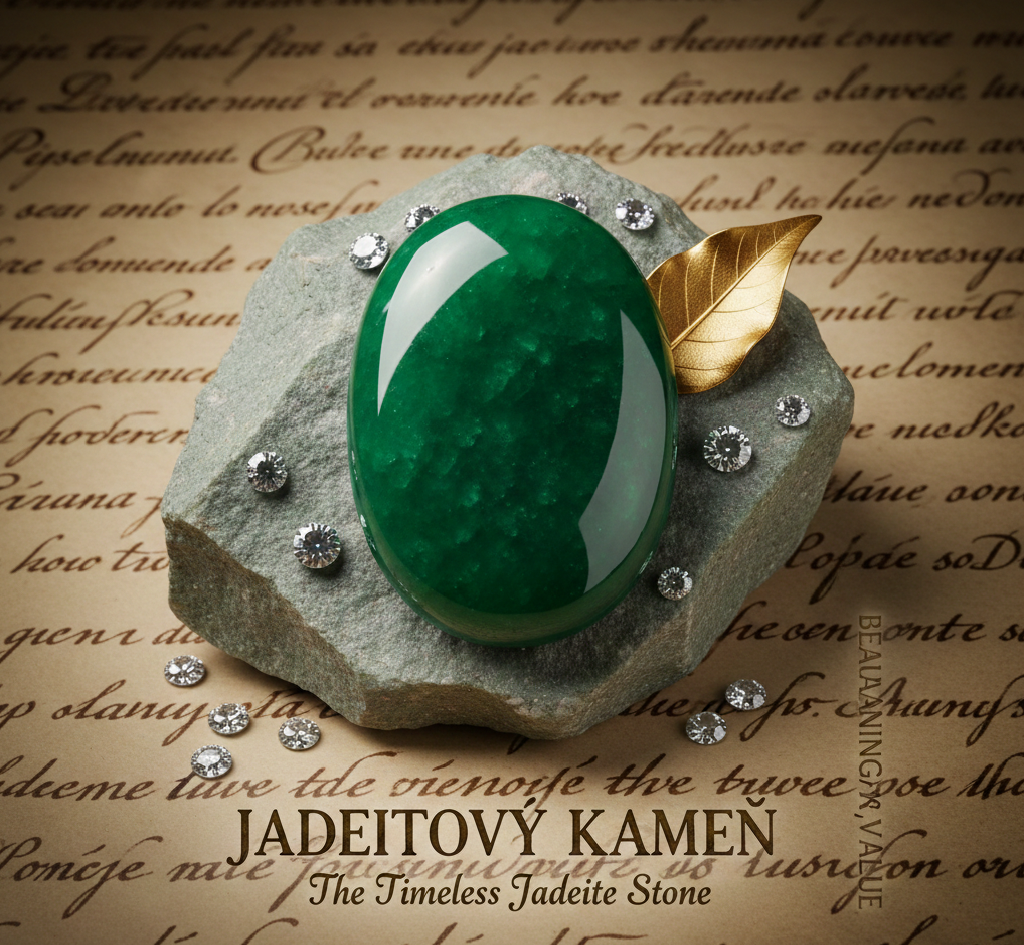
Jadeitový kameň, or jadeite, is a captivating gemstone that has inspired people for millennia. Not only does it boast stunning beauty, but it also holds deep cultural, spiritual, and metaphysical significance. This stone has been used throughout history, from royal jewelry to sacred artifacts, and in modern wellness practices. In this article, we’ll explore jadeite’s origin, characteristics, symbolism, and many uses. Additionally, we’ll guide you on how to identify genuine jadeite and care for your precious stones.
What Is Jadeitový Kameň (Jadeite)?
Jadeitový kameň, or jadeite, is one of two minerals often referred to as jade. While “jade” can describe both jadeite and nephrite, jadeite is rarer and more valuable. Chemically, jadeite is a pyroxene mineral that consists primarily of sodium and aluminum silicate (NaAlSi₂O₆). It forms under high-pressure conditions deep within the Earth’s crust, making it a rare gemstone. As a result, jadeite is found in only a few locations worldwide, with Myanmar (Burma) being the most notable source, followed by Guatemala and parts of Central America.
Unlike nephrite, which is more common, jadeite stands out for its vivid green color. However, it can also appear in a variety of other shades, such as white, lavender, yellow, and even black. These striking colors, coupled with its smooth texture and high translucency, make jadeite a highly sought-after gemstone. Thus, jadeite is not just a gemstone; it’s a treasure of nature, valued for both its physical and metaphysical properties.
A Brief History of Jadeite
Jadeite has played an important role in various cultures throughout history. In ancient China, jadeite symbolized purity, wisdom, and immortality. It appeared in ceremonial objects, jewelry, and burial artifacts, especially for emperors and nobility. The Chinese believed that jadeite had the power to connect the living with the divine and protect them in the afterlife. Furthermore, jadeite represented virtue and moral integrity, qualities deeply valued by the Chinese elite.
Across the Atlantic, the Maya and Olmec civilizations in Mesoamerica also regarded jadeite highly. These cultures valued jadeite even more than gold. They used jadeite to create figurines, masks, and sacred objects associated with religious rituals. The stone embodied life force and was often placed in tombs to ensure a connection with the divine.
Thus, jadeite’s significance extends far beyond any one culture. It has transcended geographic boundaries and continues to unite people through shared reverence for this extraordinary gemstone.
Varieties of Jadeite and Their Meanings
Jadeite offers a wide range of colors, each of which holds specific meaning and value. Here are some of the most popular varieties:
- Green Jadeite: This variety is the most prized, especially the translucent “Imperial Green” jadeite. It symbolizes prosperity, health, and harmony. In Chinese culture, green jade is linked to the heart chakra, promoting emotional balance and compassion.
- White Jadeite: White jadeite represents purity and spiritual clarity. It’s often used in minimalist, high-end jewelry designs. People associate it with inner peace and elegance.
- Lavender Jadeite: Lavender jadeite is a rarer variety and is highly valued for its subtle beauty. It supports emotional healing and spiritual transformation, making it an excellent choice for personal growth.
- Black Jadeite: Known for its protective qualities, black jadeite shields its wearer from negative energy and provides resilience and grounding.
- Yellow and Orange Jadeite: These varieties represent joy, creativity, and warmth. While they are not as well-known as green jade, yellow and orange jadeite’s bold colors make them especially appealing.
Jadeite’s color variety not only enhances its aesthetic appeal but also imbues it with symbolic power, making each piece uniquely personal.
Metaphysical and Cultural Significance of Jadeite
Beyond its visual beauty, jadeite has held deep spiritual and metaphysical significance for centuries. In Chinese traditions, jadeite symbolizes the five virtues: benevolence, wisdom, bravery, sincerity, and purity. As a result, people wore jadeite as an amulet or used it in sculptures to invoke these qualities in their lives.
Jadeite also has healing properties. People believe it has a calming effect on the heart, promoting love, compassion, and peace. Therefore, many use jadeite in healing practices, especially those focused on the heart chakra. Additionally, jadeite is considered a protective stone, known to repel negative energy and attract good fortune.
In modern holistic practices, jadeite has found a place in meditation, chakra work, and energy healing. Many wear jadeite jewelry or place jadeite objects in their homes to foster balance, serenity, and spiritual connection.
Modern Uses of Jadeite
Jadeite continues to hold a prominent place in both fashion and wellness.
Jewelry
Jadeite remains highly valued in the luxury jewelry market. Skilled artisans craft it into rings, bracelets, pendants, and earrings. The finest jadeite, particularly the translucent Imperial Green, commands high prices and is often considered a treasure by collectors and jewelry enthusiasts alike.
Art and Carvings
In addition to jewelry, jadeite is used for creating intricate carvings and sculptures. Artists highly value jadeite’s smooth texture and durability, which allows them to produce detailed works of art. These sculptures often depict spiritual symbols, deities, or animals, and they are prized as decorative pieces in homes or as religious offerings.
Holistic Practices
In the wellness and beauty industry, jadeite is widely used in gua sha tools and jade rollers. These tools are believed to improve circulation, reduce puffiness, and promote relaxation. Many skincare enthusiasts love jadeite’s cooling properties, which provide a soothing effect and promote calmness.
How to Identify and Care for Jadeite
Given jadeite’s high value, it’s important to know how to identify genuine jadeite. Here are some tips:
- Transparency: Genuine jadeite often has a slight translucency, especially in high-quality stones. Hold it up to the light, and you should see some light passing through the edges.
- Texture: Jadeite has a smooth, waxy texture, and it is often more polished than imitations, which tend to have a dull appearance.
- Hardness: Jadeite is relatively hard, registering between 6.5 and 7 on the Mohs hardness scale. It resists scratches well.
- Certification: Always seek certified jadeite from reputable sources to ensure its authenticity.
Care Instructions:
To preserve jadeite’s beauty:
- Clean it gently with warm water and a soft cloth.
- Store jadeite separately from other jewelry to prevent scratches.
- Avoid exposing jadeite to extreme temperatures or harsh chemicals.
Conclusion
In conclusion, jadeitový kameň (jadeite) is a gemstone that transcends time and culture. Whether admired for its striking colors, cultural significance, or healing properties, jadeite continues to captivate people worldwide. Its timeless appeal ensures that it will remain a treasure for generations to come, cherished by collectors, spiritual practitioners, and those seeking balance and serenity in their lives.
