

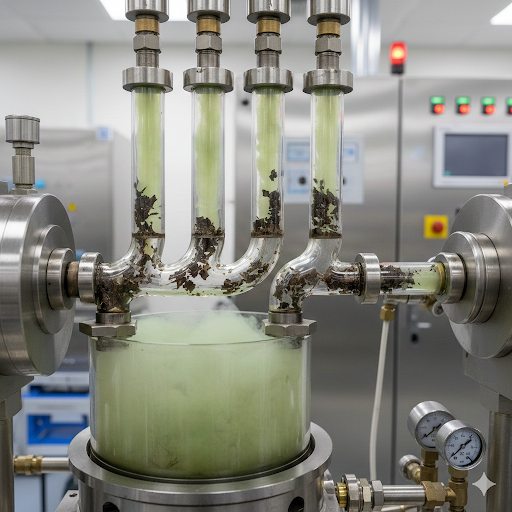
Chemical Vapor Deposition (CVD) machines are vital components in the production of high-quality materials used in various industries, including semiconductors, solar panels, and coatings. One of the common issues faced during the operation of these machines is gas buildup in manifold CVD machines. This problem, if not properly managed, can affect the efficiency, reliability, and performance of CVD processes. In this article, we will explore the causes of gas buildup in manifold CVD machines, the impact it has on the system, and the strategies to prevent or mitigate it.
Before we explore the causes of gas buildup, it’s crucial to understand the role of the manifold in a CVD system. The manifold is a key component responsible for distributing gases to different parts of the machine. It ensures that the right type and amount of gas reach the reaction chamber, where the deposition process occurs. Gases such as silane, methane, hydrogen, and oxygen are commonly used in these systems. A well-maintained manifold ensures smooth gas flow and uniform deposition during the CVD process.
Causes of Gas Buildup in CVD Machines
Gas accumulation within the manifold of CVD machines can result from several factors. Often, this buildup happens when gases fail to flow smoothly through the system, leading to inconsistent deposition. Here are some common causes of this problem:
1. Clogging of Gas Lines
Clogged gas lines are one of the leading causes of buildup in the manifold. Over time, particles or contaminants from the gases or materials being processed can block the flow through the pipes or valves. A clogged line prevents smooth gas flow, causing a rise in pressure within the manifold.
2. Inadequate Ventilation
Proper ventilation is essential for efficiently removing gases from the system after deposition. If the exhaust system is insufficient or malfunctioning, gases can accumulate within the manifold or reaction chamber. This accumulation can result in higher pressure levels, which could damage components or compromise the deposition process.
3. Faulty Pressure Regulators
Pressure regulators play a vital role in controlling the gas flow into the manifold. When regulators malfunction or become miscalibrated, they may allow more gas to enter the manifold than necessary, leading to pressure buildup. Such imbalances can disrupt the quality of the CVD process.
4. Improper Gas Mixing
CVD processes often require precise gas mixing to achieve the desired chemical reactions. If the mixing system fails to distribute gases evenly or as needed, certain gases may accumulate in the manifold. This can lead to inconsistencies in the deposition process, affecting the quality of the final product.
Effects of Gas Buildup on CVD Machines
Gas accumulation within the manifold of CVD machines can cause several issues. These problems range from minor annoyances to significant operational setbacks. Here are the primary effects:
1. Pressure Imbalances and Safety Risks
One of the most pressing concerns with gas accumulation is the rise in internal pressure. Excess pressure can destabilize the system, leading to leaks, ruptures, or even explosions. Such issues pose safety hazards and can cause costly damage to the equipment.
2. Inconsistent Deposition Quality
Inconsistent gas flow due to buildup can lead to uneven deposition. Since CVD processes require precise control of gas flows to ensure uniform material layers, any irregularity can result in poor-quality films or coatings, which may not meet required standards.
3. Reduced Machine Efficiency
Gas buildup can decrease the efficiency of CVD machines. When the manifold is clogged or when pressure rises, the machine needs more time or energy to complete its deposition process. This lowers throughput and increases operational costs. Furthermore, gas buildup can lead to unnecessary repairs or replacements of parts.
4. Damage to Equipment
If not addressed, excessive gas buildup can harm sensitive components like valves, pressure regulators, or even the reactor itself. This could lead to premature failure of these parts, resulting in downtime and expensive maintenance.
Preventing Gas Buildup in CVD Machines
Preventing gas buildup in the manifold is critical to maintaining the efficiency, safety, and performance of CVD systems. Here are some effective measures to minimize or prevent the problem:
1. Regular Maintenance and Cleaning
To prevent clogging, regular maintenance and cleaning of the system are essential. This includes inspecting gas lines for blockages, replacing filters, and cleaning the manifold. By maintaining the cleanliness of the system, operators can prevent contaminants from obstructing the gas flow.
2. Proper Calibration of Pressure Regulators
To avoid excess gas flow, pressure regulators must be accurately calibrated. Routine checks and recalibration ensure that the regulators maintain the correct flow rates, reducing the chance of gas buildup and ensuring optimal operation.
3. Effective Ventilation and Exhaust Systems
To avoid gas accumulation, it’s vital to have an efficient ventilation and exhaust system. Ensuring that these systems are regularly maintained and functional helps remove gases from the system after deposition, preventing any unwanted buildup.
4. Monitor Gas Flow in Real-Time
Installing sensors to monitor gas flow rates in real-time can help detect any irregularities before they escalate into larger problems. Automated alarms can notify operators if the gas flow deviates from expected levels, allowing for prompt action to prevent gas buildup.
5. Use of High-Purity Gases
Using purified gases can reduce the risk of contamination in the gas lines, reducing the likelihood of clogging. By ensuring that only high-purity gases enter the system, operators can avoid potential gas buildup issues in the manifold.
Conclusion
Gas buildup in the manifold of CVD machines is a significant issue that can impact machine efficiency, product quality, and safety. Understanding the causes of this buildup—whether it’s due to clogged lines, malfunctioning pressure regulators, or inadequate ventilation—allows operators to take proactive steps to manage it. Regular maintenance, proper calibration, and effective monitoring systems are crucial to preventing gas buildup and maintaining the smooth operation of CVD machines. By addressing these issues early on, operators can prolong the lifespan of their equipment, enhance deposition quality, and reduce the likelihood of costly repairs.
