

Introduction
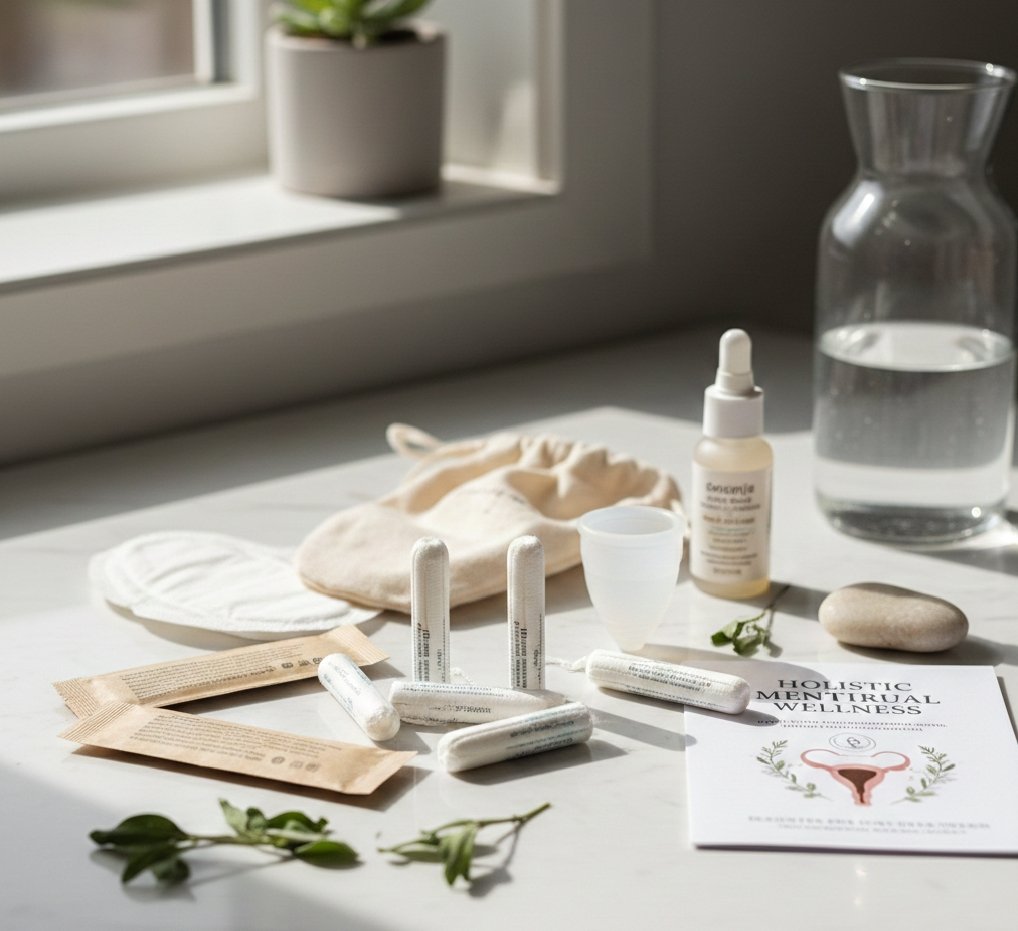
Tampons are widely used menstrual hygiene products that offer a convenient and discreet way to manage menstrual flow. Many people rely on these small, cylindrical devices, which absorb menstrual blood when inserted into the vagina, as an alternative to sanitary pads. While they are popular, there are still common questions about how they work, their safety, and how they compare to other options for period care.
This article provides a comprehensive guide, covering everything from the history and different types to proper usage and environmental considerations.
History of Tampons
Menstrual care products have evolved over thousands of years. Early forms of menstruation aids included sponges and cloths, but the modern version of the tampon began to take shape in the late 1920s, thanks to Dr. Earle Haas, a surgeon. He designed a small cotton cylinder that could be inserted into the vagina, allowing women to manage their periods more comfortably and discreetly.
Dr. Haas patented his design in 1931, and the product gradually gained popularity. Over time, innovations such as the applicator made insertion easier, and by the 1970s, this menstrual product became widely accepted. Today, tampons are available in various absorbencies to suit different needs.
How It Works
A tampon absorbs menstrual fluid when inserted into the vagina. It sits below the cervix, where it absorbs blood before it exits the body. The absorbent material, typically cotton or a blend of cotton and rayon, expands as it soaks up the flow, helping to prevent leakage.
Tampons come in different absorbency levels, such as light, regular, super, and super plus. The right absorbency depends on your menstrual flow. Lighter days might require a light or regular one, while heavier flow days might need a super or super plus variant.
To stay safe, avoid leaving one in for more than eight hours to reduce the risk of toxic shock syndrome (TSS), a rare but serious bacterial infection.
How to Use It Correctly
Using tampons properly ensures both safety and comfort. Follow these steps to insert and remove them correctly:
- Wash your hands: Clean hands reduce the risk of introducing bacteria.
- Select the correct absorbency: Match the tampon to your flow. You may need to adjust as your period progresses.
- Find a comfortable position: It’s easiest to insert while relaxed. Options include squatting, sitting on the toilet, or raising one leg on a surface.
- Insert it: Hold the tampon with the string facing outward. Gently insert it into the vagina, aiming toward the lower back. With an applicator, it should glide in easily. If you’re using a non-applicator version, use your finger to push it in. Once inserted, you shouldn’t feel any discomfort.
- Check the string: Make sure the string hangs outside the body for easy removal.
- Change regularly: Change it every four to eight hours, depending on your flow. Never leave one in longer than eight hours.
- Remove it: Pull the string gently to remove it. If it feels difficult, try relaxing and gently pulling again.
- Dispose properly: Wrap the used item in toilet paper and place it in the trash. Do not flush it.
Types Available
There are several types designed for various preferences and needs:
- With Applicators: These tampons come with a plastic or cardboard applicator for easier insertion, making them ideal for beginners.
- Without Applicators: These can be inserted manually using your fingers, which some people find more convenient or prefer to avoid using plastic.
- Organic and Natural: These are made from cotton grown without synthetic pesticides and fertilizers, offering a more environmentally friendly option.
- Scented: Some people use scented versions to mask odors. However, these can irritate sensitive skin, so it’s best to avoid them if you’re prone to allergic reactions.
- For Heavy Flow: These are larger and specifically designed for those with a heavier flow, offering increased absorbency to minimize changes throughout the day.
Advantages
- Comfort: When used correctly, these products are comfortable and discreet, allowing for smooth movement, even under tight clothes or while swimming.
- Convenience: Easy to carry, they don’t require constant adjustments like pads. They’re ideal for people who want to stay active and secure during their period.
- Active Lifestyles: Many people with active routines prefer them since they don’t shift or bunch like pads might.
Potential Risks
- Toxic Shock Syndrome (TSS): TSS is a rare but serious bacterial infection linked to tampon use, particularly if left in too long. Symptoms include high fever, rash, dizziness, and vomiting. If you notice these, remove the tampon and seek medical help.
- Irritation and Allergies: Some people may experience irritation from synthetic materials or fragrances. Opt for chemical-free products if you’re prone to reactions.
- Vaginal Dryness: Since they absorb moisture, they can lead to dryness, especially when used for long periods or with high absorbency.
Alternatives
Several alternatives offer different ways to manage your period:
- Pads: These are worn outside the body and come in various forms, such as thin pads or those designed for overnight use.
- Menstrual Cups: Reusable silicone or rubber cups that collect menstrual blood. They’re eco-friendly and can be worn for up to 12 hours without leakage.
- Period Underwear: Specially designed underwear that absorbs menstrual blood, eliminating the need for additional products.
- Reusable Cloth Pads: These fabric pads can be washed and reused, offering an eco-friendly alternative to disposable options.
Environmental Considerations
Despite their convenience, tampons, like other disposable products, contribute to waste. Many products contain plastic in their applicators or packaging, which can take years to break down in landfills. The production of cotton also requires significant water and land resources.
For those concerned about environmental impact, there are organic and biodegradable products, as well as reusable options like menstrual cups, that offer more sustainable choices.
Conclusion
Tampons provide a discreet and effective way to manage menstrual flow. While they offer comfort, convenience, and security, it’s essential to use them correctly to avoid risks such as TSS. There are many alternatives available for those seeking more eco-friendly or non-insertable options, and considering these alternatives can help reduce environmental impact.
By selecting the right product, following proper usage guidelines, and exploring alternatives, you can ensure a safe and comfortable period experience.
