

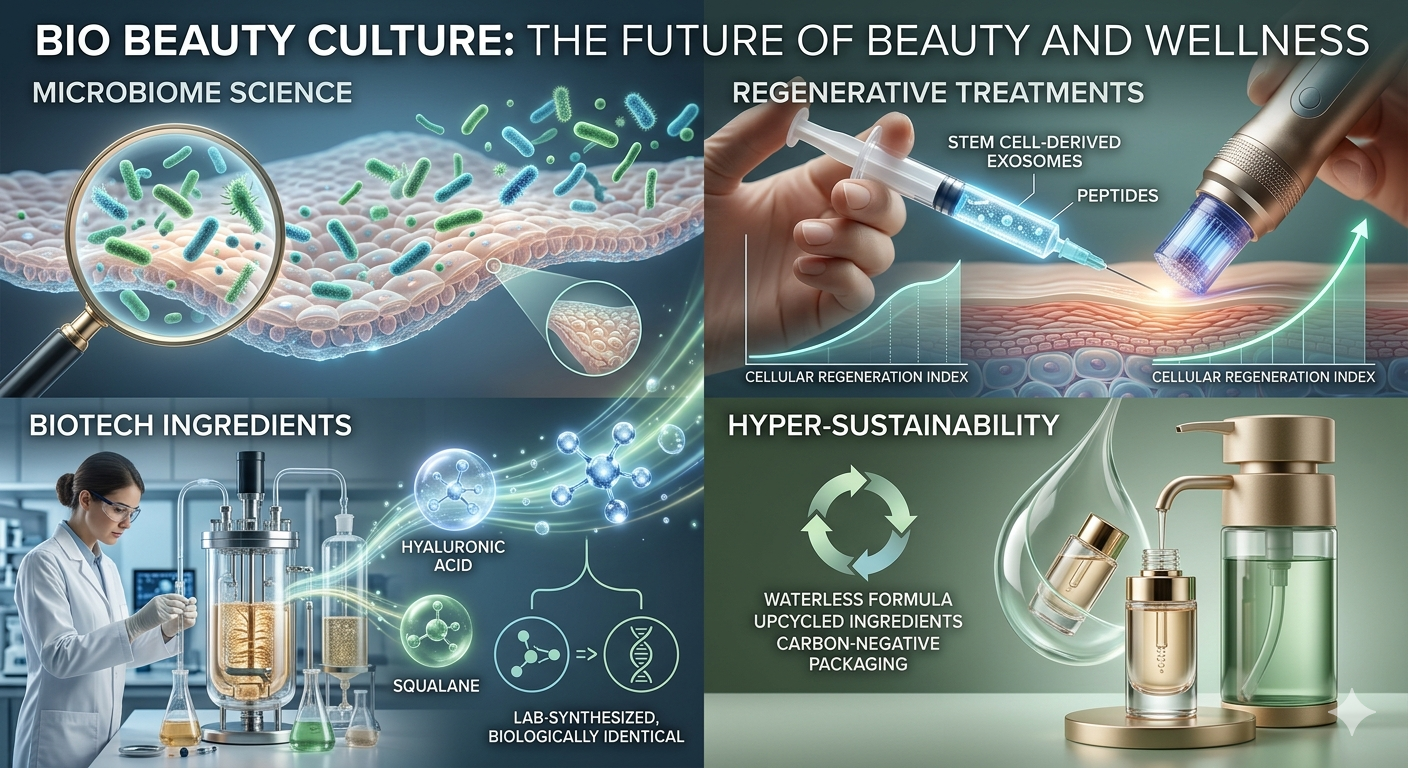
In recent years, the beauty industry has been undergoing a profound transformation. Beyond makeup trends and anti-aging serums, the focus has shifted toward holistic wellness, sustainability, and biological harmony. This shift is giving rise to a movement known as bio beauty culture, which blends natural science, ethical practices, and a conscious approach to beauty.
Bio beauty culture is more than just a trend; it represents a philosophy that prioritizes skin health, environmental responsibility, and emotional well-being. Consumers today are increasingly looking for products that are effective, safe, and aligned with their values, and this has driven the industry to rethink what beauty truly means.
Understanding Bio Beauty Culture
At its core, bio beauty culture emphasizes beauty inspired by biology. This includes using natural and bio-based ingredients that work in harmony with the body’s own systems, rather than relying on harsh chemicals or synthetic additives. But it is not just about the ingredients — it is also about ethical sourcing, sustainable production, and holistic care.
The philosophy behind bio beauty culture can be summed up in three pillars:
- Nature and Science in Harmony – Combining natural ingredients with scientifically-backed formulations.
- Ethical and Sustainable Practices – Supporting biodiversity, fair labor, and eco-friendly packaging.
- Holistic Well-being – Recognizing that beauty is not just skin-deep but also involves mental and emotional health.
The Ingredients That Define Bio Beauty
A key feature of bio beauty culture is its focus on ingredients derived from nature. These are carefully chosen to be effective while minimizing harm to both the user and the environment.
1. Natural and Organic Components
Natural ingredients, such as plant extracts, essential oils, and minerals, form the base of bio beauty products. Organic components take this further, ensuring that the ingredients are free from pesticides, GMOs, and synthetic chemicals. Using these ingredients not only protects the skin but also supports environmentally-friendly farming practices.
2. Bioactive Compounds
Bioactive compounds are naturally occurring substances in plants and microbes that can enhance skin function, repair damage, and promote regeneration. These ingredients are at the heart of bio cosmetics, providing scientifically proven benefits while remaining safe and sustainable.
3. Clean Beauty Standards
Clean beauty has become an essential part of bio beauty culture. This means formulations free from parabens, sulfates, phthalates, and synthetic fragrances. Consumers are increasingly concerned about what they apply to their skin, preferring products that are non-toxic and environmentally conscious.
Why Bio Beauty Culture Matters
Bio beauty culture is not just about skincare — it represents a shift in consumer values and cultural perception of beauty.
Holistic Self-Care
Modern beauty routines are now seen as part of a well-being ritual, combining skincare with mindfulness, aromatherapy, and stress reduction. Bio beauty encourages consumers to view skincare as nourishment, not just aesthetics, promoting a sense of calm and balance.
Sustainability and Ethics
Ethical practices are at the core of bio beauty culture. This includes responsible sourcing, cruelty-free testing, biodegradable packaging, and reduced carbon footprint. Consumers are increasingly willing to support brands that demonstrate environmental responsibility.
Diversity and Inclusivity
Bio beauty culture embraces all skin types, tones, and ages. It challenges traditional beauty standards and promotes a more inclusive definition of beauty. By valuing individuality and cultural diversity, the movement encourages consumers to embrace their natural self.
Trends Driving Bio Beauty Culture
The bio beauty movement is continuously evolving, influenced by scientific innovation, consumer demands, and cultural shifts.
1. Biotechnology in Skincare
Biotechnology allows the creation of bio-identical compounds through fermentation or microbial processes. These ingredients reduce environmental impact while offering enhanced skin benefits, bridging the gap between efficacy and sustainability.
2. Personalized Beauty
Advances in technology and artificial intelligence enable customized skincare solutions based on individual skin profiles. From hydration needs to sensitivity patterns, bio beauty can now cater to unique biological requirements.
3. Skin Microbiome Support
Understanding the skin microbiome — the ecosystem of beneficial bacteria on the skin — has become a major focus. Bio beauty products now aim to balance and protect this natural microbiome, rather than strip it with harsh chemicals, supporting healthier, more resilient skin.
Challenges in Bio Beauty Culture
Despite its growth, bio beauty culture faces several challenges:
- Greenwashing: Some brands falsely market products as natural or sustainable without proper verification.
- Ingredient Sourcing: Natural does not always mean eco-friendly; large-scale farming and extraction can have environmental impacts.
- Regulation: Terms like “organic” and “natural” are not consistently regulated, which can create consumer confusion.
Consumers need to be informed, and brands must commit to transparency and authenticity.
The Future of Bio Beauty Culture
Bio beauty culture is shaping the next era of beauty, where products are designed with both the consumer and the planet in mind. It encourages brands to innovate responsibly, creating formulations that are effective, ethical, and holistic.
The movement also promotes a broader cultural shift — one where beauty is personal, inclusive, and deeply connected to well-being. By integrating biology, science, ethics, and mindfulness, bio beauty culture represents a more conscious and sustainable approach to beauty.
Conclusion
Bio beauty culture is not just a passing trend — it is a revolution in how we perceive and practice beauty. With its focus on natural ingredients, ethical production, holistic wellness, and inclusivity, it challenges conventional beauty norms and sets a new standard for the industry.
For consumers, it offers safer, healthier, and environmentally conscious choices. For brands, it presents an opportunity to innovate responsibly and connect with values-driven audiences.
Ultimately, bio beauty culture is about celebrating natural beauty, respecting the planet, and nurturing the body and mind, making it the future of the beauty industry.
