

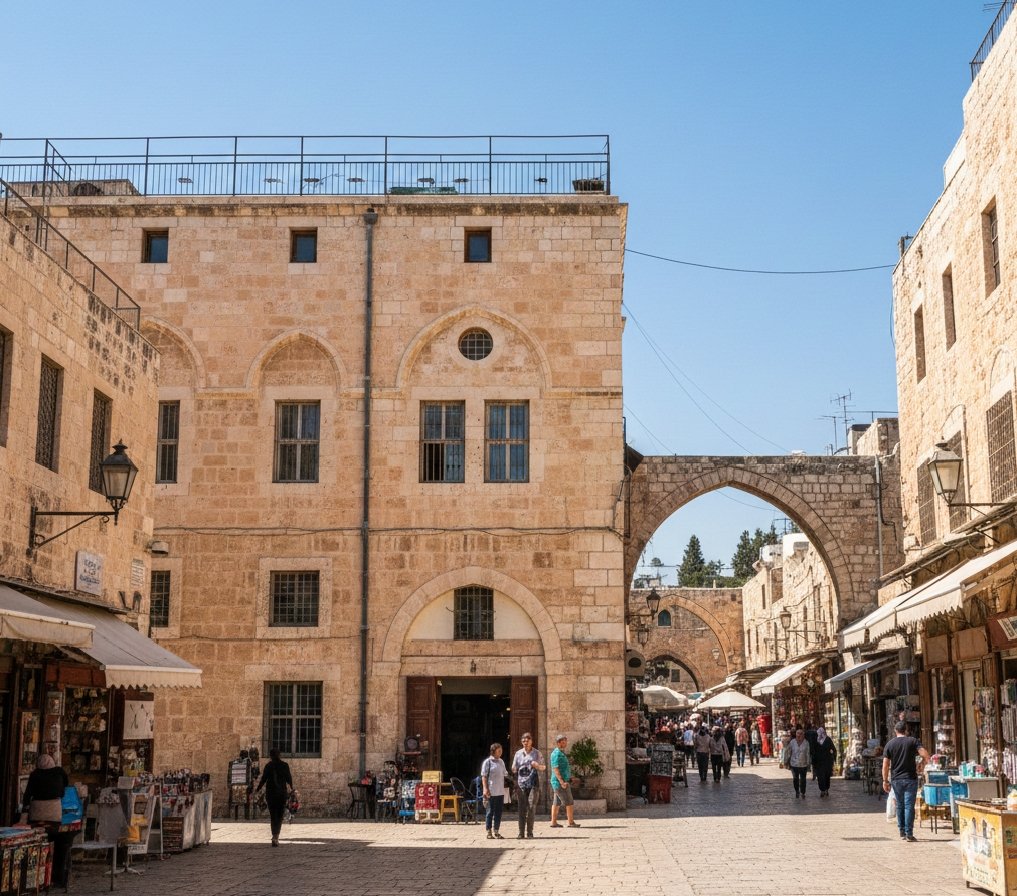
Beit Bart is a small Palestinian village located 15 kilometers northwest of Ramallah, in the central West Bank. The village is rich in history, culture, and tradition. While it might not be widely known, Beit Bart offers a unique glimpse into rural Palestinian life. Here, agriculture, community ties, and resilience are at the heart of daily existence.
Historical Background
Beit Bart, also known as Beit Rima or Beit Barta, has a long history. It has been influenced by the Ottoman Empire, the British Mandate, and Jordanian rule. However, the most significant shift came in 1967 when Israel occupied the West Bank. This changed the social and political landscape of Beit Bart. Despite this, the village has maintained its deep-rooted heritage. Many historical landmarks and oral traditions keep the past alive today.
The Village Today
Today, Beit Bart is a peaceful rural village. The population primarily engages in agriculture. The land around the village is mountainous, offering stunning views of the surrounding areas. Farming is essential to the economy. Olive cultivation is a major industry, along with grapevines, figs, and other fruits. The community also grows vegetables. The olive harvest, in particular, brings the village together as families gather to collect olives and produce olive oil.
Agriculture and Economy
Agriculture is the backbone of Beit Bart’s economy. Olive oil production is a key part of life here. The olive tree is not just a crop; it symbolizes Palestinian identity. In addition to olives, villagers grow a variety of other crops like grapes, figs, and vegetables. Some families also work in nearby towns, including Ramallah. They work in small businesses, schools, and markets. The village’s local economy is small but vital, with agriculture playing a central role.
Culture and Traditions
Beit Bart is rich in cultural traditions. Family is central to life here, and intergenerational bonds are strong. Villagers maintain customs passed down over generations. Traditional Palestinian dishes like maqluba (a rice and meat dish) and musakhan (sumac-spiced chicken) are common on the dinner table. These meals bring families together, especially during celebrations.
Festivals and cultural events are also important. Weddings, holidays, and other community events are marked by music, dance, and shared meals. These gatherings reinforce the sense of unity within the village.
Geopolitical Context
Beit Bart, like many other Palestinian villages, faces challenges due to the Israeli-Palestinian conflict. The village is affected by land ownership disputes, movement restrictions, and the proximity of Israeli settlements. These issues create difficulties for the residents. There are military checkpoints that make travel difficult and affect trade. Despite these challenges, the community remains resilient. They continue their agricultural practices and hold on to their cultural traditions.
Looking Ahead: The Future of Beit Bart
The future of Beit Bart is tied to the broader political landscape. Like many Palestinian communities, it faces uncertainty due to the ongoing conflict. However, the people of Beit Bart remain hopeful. Their connection to the land is strong, and their commitment to preserving their culture is unwavering. The village will continue to be a symbol of Palestinian perseverance.
Conclusion
Beit Bart may be small, but it holds great cultural, historical, and agricultural significance. It represents the enduring spirit of the Palestinian people. In the face of adversity, the village’s residents maintain their traditions and way of life. Beit Bart stands as a testament to resilience, community, and love for the land.
