

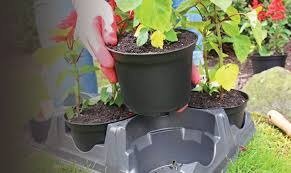
Home gardening is on the rise as more people grow food, flowers, and outdoor retreats. Buying supplies like soil, mulch, and seeds in bulk saves money, reduces waste, and prevents mid-season shortages, keeping projects smooth and cost-effective.
The Cost Savings Add Up Quickly
Buying planting supplies in bulk is a smart financial move. While small packets of potting mix or seeds are convenient, you pay a premium. Purchasing larger quantities significantly lowers the price per unit. For example, buying a bulk pack of 500 tomato seeds instead of a small packet of 20 can reduce the unit cost by 60–70%. This principle also applies to soil, mulch, and fertilizers, with wholesalers often offering lower rates for bigger orders.
For gardeners with multiple beds or those who plant seasonally, these savings accumulate fast. Spending a little more upfront on a bulk order of bulk flower seeds often costs far less than making several smaller purchases throughout the growing season.
A Smaller Environmental Footprint
Buying in bulk is also more environmentally friendly. Bulk orders reduce packaging waste, as a single large bag of mulch replaces multiple smaller ones and one seed order eliminates numerous individual packets. This means less plastic ends up in landfills. Consolidating your orders into a single delivery also means fewer shipments, which lowers carbon emissions.
Fewer Interruptions, More Productive Planting
Nothing disrupts a good gardening rhythm quite like running out of supplies mid-project. Imagine laying down a fresh bed of soil and realizing halfway through that you need to make another trip to the store. That delay can affect planting timelines, especially for crops that need to go in the ground during a narrow seasonal window.
Having a stockpile of essential materials on hand keeps your projects moving. You can prep multiple beds in a single weekend, respond quickly when weather conditions are favorable, and stay ahead of the season without scrambling. For gardeners who follow a strict planting calendar, this kind of readiness makes a real difference in yield and outcomes.
Storing Bulk Supplies the Right Way
Buying in bulk only pays off if your supplies stay in good condition. Poor storage can lead to clumped soil, moldy seeds, or degraded fertilizers—none of which will do your garden any favors.
Here are a few practical tips for keeping bulk supplies fresh:
- Seeds: Store in airtight containers in a cool, dry location away from direct sunlight. A sealed glass jar kept in a cupboard or refrigerator works well for most varieties.
- Potting mix and soil: Keep bags sealed when not in use and store them off the ground to prevent moisture absorption. A shed or garage shelf is ideal.
- Mulch: If stored outdoors, cover with a tarp to protect against rain and wind. Loose piles should be turned occasionally to prevent compaction and heat buildup.
- Fertilizers: Store in their original containers with lids tightly sealed, away from moisture and extreme temperatures. Granular fertilizers in particular can clump if exposed to humidity.
With the right setup, most bulk supplies will remain effective for a full season—or longer.
Storing Garden Tools
Proper storage is key to extending the life and effectiveness of your garden tools. After each use, clean off any dirt or sap to prevent rust and wear. A light coat of oil on metal parts before storing also helps protect against corrosion. Keep your tools in a dry place like a shed or garage, hanging them on a wall or using hooks to stay organized and avoid damage. For smaller items, a labeled box can keep them from getting lost. With regular maintenance and smart storage, your tools will last for years.
Conclusion
Buying gardening supplies in bulk saves money, reduces waste, and streamlines your gardening. Purchasing items like soil, mulch, and seeds in larger quantities from wholesalers or co-ops lowers unit costs, cuts down on packaging, and reduces delivery emissions.
