

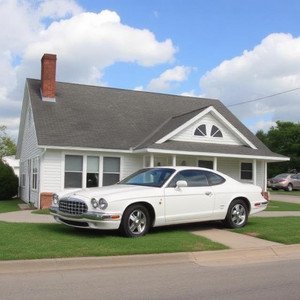
If you live in Oklahoma, you already know life comes with a little extra “weather drama,” a lot of driving, and the kind of everyday surprises that make insurance feel less like a boring requirement and more like a smart safety net. Home and Auto Insurance Oklahoma isn’t just about checking a box—it’s about protecting your house, your car, and your budget from the stuff that actually happens here.
In this guide, I’ll walk you through what matters most, what to watch for, and how to put together coverage that fits Oklahoma living—without the confusing fluff.
Why Home and Auto Insurance in Oklahoma Works Better as a Team
Buying home and auto insurance together isn’t only about convenience (though that’s a nice perk). It usually gives you more consistent coverage decisions, fewer paperwork headaches, and often a better overall rate through bundling.
Here’s the real benefit: when your policies are coordinated, it’s easier to avoid coverage gaps. For example, if a storm damages your roof and also dents your vehicle, you don’t want to discover too late that your deductibles or coverage limits were set in a way that creates a financial mess.
Bundling can be great, but only if the coverage is actually solid. A cheap bundle that leaves out key protections in Oklahoma is like buying an umbrella with holes—technically you own one, but you’re still getting soaked.
What Makes Oklahoma Insurance Needs a Little Different
Oklahoma isn’t a “set it and forget it” insurance state. Between severe storms, hail, high winds, and heavy driving routines, your risk profile can change faster than you’d expect.
A few Oklahoma-specific factors that often impact premiums and coverage choices include:
- Strong storm seasons (hail and wind claims are common)
- Tornado exposure in many areas
- Higher-than-average windshield damage and hail-related auto claims
- Rural driving risks (deer collisions, longer response times, higher speeds)
- Urban traffic risks (more accidents, more theft risk in certain zones)
That doesn’t mean insurance has to be expensive—it just means your coverage should be built for reality, not wishful thinking.
Home Insurance Basics That Actually Matter in Oklahoma
Home insurance can look simple on paper, but the details decide whether a claim feels smooth—or turns into a stressful back-and-forth.
Most standard homeowners policies include protection for:
- The structure of your home (dwelling coverage)
- Detached structures (sheds, fences, garages)
- Personal belongings (contents coverage)
- Liability (if someone is injured on your property)
- Loss of use (temporary living expenses if you can’t stay at home)
Now, here’s the part many people miss: not every “weather event” is automatically covered the way you think. That’s why you want to read the policy language around wind, hail, roof coverage, and deductibles.
Before we jump into the checklist, it helps to know this: in Oklahoma, your deductible choice can make a huge difference in both your premium and your out-of-pocket costs after a storm. Some policies use special wind/hail deductibles that work differently than your normal deductible.
- Ask whether wind/hail is a flat deductible or a percentage
- Confirm what roof coverage is included (replacement cost vs. actual cash value)
- Understand how depreciation could affect older roofs
A solid home policy in Oklahoma isn’t the one that looks good online—it’s the one that holds up when shingles start flying.
Auto Insurance in Oklahoma: What You Need vs. What You Should Have
Oklahoma requires liability coverage, but minimum coverage is rarely enough if you’re in a serious accident. Medical bills and vehicle repair costs can add up fast.
Auto coverage generally breaks down into:
- Liability: pays for injuries/property damage you cause
- Collision: pays to repair your car after an accident (regardless of fault)
- Comprehensive: pays for non-collision damage (hail, theft, fire, falling objects, animal hits)
- Uninsured/Underinsured Motorist: helps protect you if the other driver can’t fully pay
In Oklahoma, comprehensive coverage is a big deal because hail and storm damage are so common. People sometimes drop it to save money, and then a spring storm shows up and the savings disappear instantly.
Here are smart auto add-ons that are often worth pricing out:
- Rental reimbursement (especially if you commute)
- Roadside assistance (nice, but compare it to what your auto club or credit card already offers)
- Gap coverage (if your loan is higher than your car’s value)
The best approach is balancing monthly cost with “What would hurt if it happened tomorrow?” That question cuts through the noise quickly.
Bundle Discounts: Good Idea, But Don’t Let It Distract You
Bundling home and auto can reduce premiums, but discounts vary widely. Some companies are extremely competitive on auto and just “okay” on home, or the other way around.
So yes, shop bundles—but shop them wisely.
Here’s what to compare when reviewing bundled quotes:
- Coverage limits (don’t compare a strong policy to a weak one)
- Deductibles (especially wind/hail deductibles on home)
- Roof settlement terms (replacement cost vs. actual cash value)
- Claims reputation (fast and fair matters more than a tiny discount)
- Exclusions and special limits (jewelry, tools, electronics, collectibles)
And here’s a quick reality check: a bundle discount isn’t a win if it comes with a roof deductible that could cost you thousands more after a storm.
A Simple Checklist for Choosing Home and Auto Insurance Oklahoma
It’s easy to get overwhelmed by policy documents, so use this as a practical filter. If a quote can’t answer these clearly, move on.
- What deductible applies to wind/hail claims?
- Is my roof covered at replacement cost, or does depreciation apply?
- Are my personal belongings insured at replacement cost?
- Do I have enough liability coverage for my home and auto?
- Does my auto policy include uninsured/underinsured motorist coverage?
- Are my vehicles protected for hail and storm damage (comprehensive)?
- Are there special limits for high-value items (jewelry, tools, firearms, etc.)?
A good agent (or a good company) will explain these in plain English without acting like you’re bothering them. If they can’t do that, it’s a sign.
How to Lower Your Premium Without Cutting Important Coverage
Most people try to save money by reducing coverage, and that’s usually the most expensive way to “save.” Instead, focus on cost reducers that don’t weaken the policy.
Try these:
- Raise deductibles carefully (only to a level you can comfortably pay)
- Improve home safety: updated roof, impact-resistant shingles, storm shutters, monitored alarms
- Ask about telematics/safe-driving programs if you’re a low-risk driver
- Review credit-based pricing impacts (where applicable)
- Remove unnecessary add-ons you don’t use
- Keep policies updated when you move, renovate, or change vehicles
One underrated tip: update your dwelling coverage after major home improvements. Underinsuring can cause claim reductions. Overinsuring can waste money. The sweet spot matters.
Common Mistakes Oklahoma Homeowners and Drivers Make
Let’s keep this honest—most insurance problems don’t start with bad luck. They start with assumptions.
Here are mistakes I see all the time:
- Choosing the lowest premium without checking wind/hail deductibles
- Assuming flood damage is covered under standard home insurance
- Not updating coverage after buying expensive items or renovating
- Carrying state-minimum auto liability and hoping for the best
- Dropping comprehensive coverage in a hail-prone state
- Forgetting to add additional insureds or lienholders correctly on auto loans
If you avoid these, you’re already ahead of most people.
Final Thoughts on Home and Auto Insurance Oklahoma
Getting the right Home and Auto Insurance Oklahoma setup isn’t about chasing the cheapest quote—it’s about building coverage that matches the risks you actually face: storms, hail, driving exposure, and the cost of repairs that keeps climbing.
Keep it simple: choose strong core coverage, set deductibles you can truly afford, and make sure wind/hail and comprehensive protection aren’t weak spots. If your policy is built well, insurance becomes what it should be—quiet protection in the background, not a stressful surprise when you need it most.
If you want, tell me your city in Oklahoma (or whether you’re more rural/suburban) and what kind of home you have (older/newer roof), and I can suggest a coverage setup that typically fits that situation without overpaying.
