

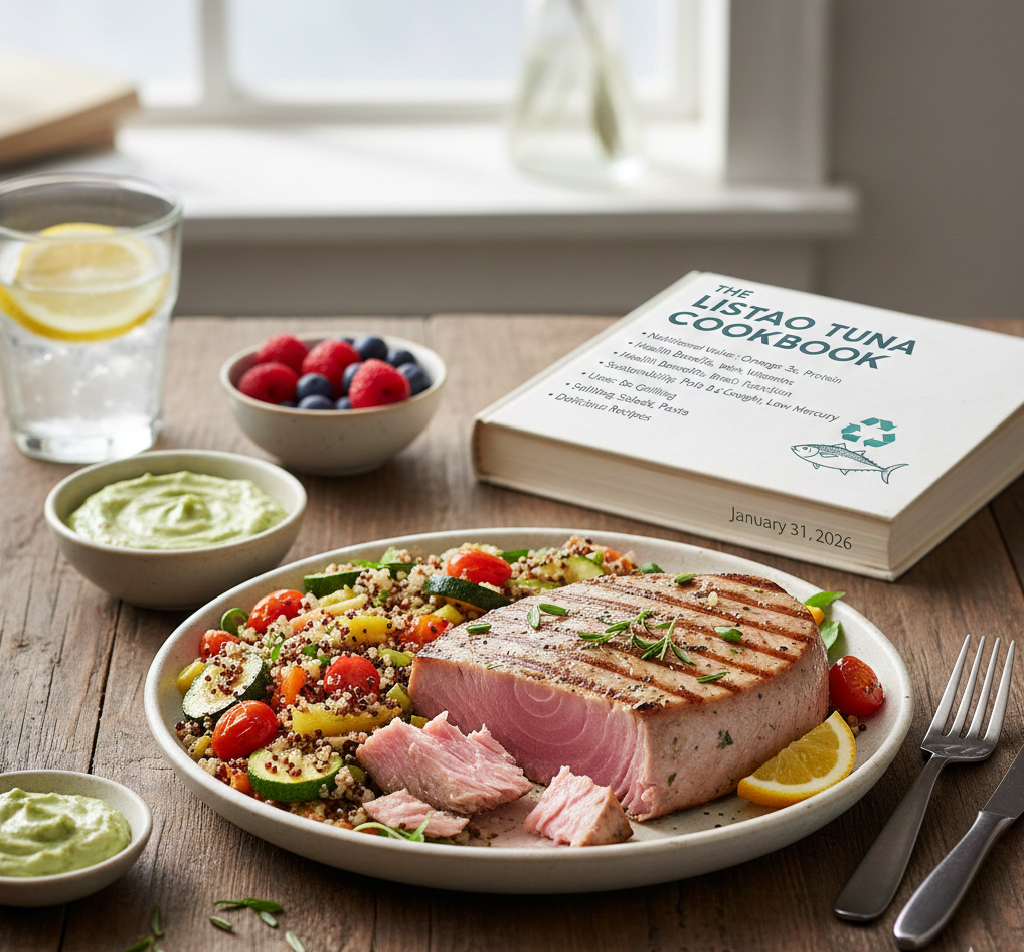
Tuna is a versatile and nutrient-rich fish that is a favorite in many cuisines worldwide. Among the different types of tuna, Listao tuna — also known as skipjack tuna (Katsuwonus pelamis) — stands out as a popular and accessible choice for consumers. Whether you enjoy it in a sandwich, salad, or grilled as a steak, Listao tuna is an affordable, nutritious, and sustainable option for seafood lovers. In this article, we will dive deep into what Listao tuna is, its nutritional profile, health benefits, culinary uses, sustainability, and much more.
What Is Listao Tuna?
Listao tuna, commonly known as skipjack tuna, is a smaller species of tuna found in warm tropical and subtropical oceans around the world. It is one of the most abundant and fast-growing species of tuna, often used for both fresh and canned products. Skipjack is easily recognizable by its streamlined body, metallic blue on the top, and silver sides with horizontal dark stripes. This fish grows rapidly and can reach maturity in just about 2-3 years, making it a sustainable source of tuna.
It’s also the most common tuna used in canned products, typically labeled as “light tuna.” While larger tuna species like bluefin or yellowfin are prized for their fatty meat and higher price, skipjack offers a more economical option without compromising on nutritional value.
Nutritional Profile of Listao Tuna
One of the main reasons for the popularity of Listao tuna is its high nutritional value. Whether fresh or canned, skipjack tuna provides essential nutrients that are beneficial to your overall health. Here’s a breakdown of the nutrients found in a 100g serving of Listao tuna:
| Nutrient | Amount per 100g |
|---|---|
| Calories | 132 kcal |
| Protein | 23.2g |
| Total Fat | 0.8g |
| Saturated Fat | 0.2g |
| Omega-3 Fatty Acids | 1.4g |
| Cholesterol | 30mg |
| Sodium | 45mg |
| Vitamin B12 | 2.5 µg |
| Selenium | 34 µg |
| Phosphorus | 240mg |
As seen in the table, Listao tuna is an excellent source of lean protein, which is essential for muscle building, tissue repair, and overall health. It is low in fat and calories, making it an ideal choice for those aiming to maintain a healthy weight. Additionally, the fish is rich in omega-3 fatty acids, which are vital for heart health and reducing inflammation in the body.
Furthermore, Listao tuna provides a good amount of vitamin B12, which is crucial for energy production and nerve function. The selenium content in tuna acts as a potent antioxidant that helps protect your cells from oxidative damage, while phosphorus plays a role in maintaining healthy bones and teeth.
Health Benefits of Eating Listao Tuna
Consuming Listao tuna regularly can provide numerous health benefits due to its rich nutrient content. Some of the most notable health benefits include:
1. Promotes Heart Health
Listao tuna is an excellent source of omega-3 fatty acids, which have been shown to reduce the risk of cardiovascular diseases. Omega-3s help lower levels of bad cholesterol (LDL) while increasing the levels of good cholesterol (HDL). They also reduce triglyceride levels and inflammation, thus lowering the overall risk of heart disease and stroke. Regular consumption of omega-3-rich foods like tuna can improve heart health and reduce the likelihood of developing hypertension.
2. Supports Brain Function
Omega-3 fatty acids, particularly DHA (docosahexaenoic acid), found in Listao tuna, are vital for brain health. DHA is a major component of the brain and is crucial for cognitive function, mood regulation, and memory. Eating tuna regularly may improve cognitive function, enhance learning abilities, and reduce the risk of mental decline in older adults. Omega-3s also support the production of neurotransmitters, which are essential for mood stability and mental well-being.
3. Aids in Weight Management
Due to its high protein and low fat content, Listao tuna makes an excellent choice for those looking to manage their weight. Protein promotes feelings of fullness and satisfaction, which can help reduce overall calorie intake. Moreover, tuna is a low-calorie food, which means you can enjoy it without worrying about overindulging in calories.
4. Enhances Muscle Repair and Growth
Tuna is packed with protein, making it an ideal food for athletes, bodybuilders, or anyone looking to build or repair muscle tissue. The amino acids in protein are essential for muscle recovery after exercise. Eating tuna regularly can also contribute to lean muscle development and better overall body composition.
5. Strengthens the Immune System
Listao tuna is an excellent source of vitamin B12, a nutrient that supports a healthy immune system. Vitamin B12 helps in the production of red blood cells and DNA, which are critical for overall health and immune function. Selenium, another key nutrient in tuna, acts as an antioxidant, reducing inflammation and oxidative stress in the body. This, in turn, strengthens the immune system.
Culinary Uses of Listao Tuna
Listao tuna is incredibly versatile and can be used in a wide range of dishes. Its firm texture and mild flavor make it an ideal candidate for various cooking methods, including grilling, searing, steaming, and even raw in sushi.
1. Canned Tuna
The most common way Listao tuna is consumed is in canned form. Canned tuna is a pantry staple in many households due to its convenience, long shelf life, and affordability. It can be used in a wide range of dishes, such as:
- Tuna salads (mix with mayo, celery, and onions)
- Tuna sandwiches (serve on bread or as a wrap)
- Tuna casseroles (combine with pasta and vegetables)
- Tuna pasta (simple and quick meal with garlic, olive oil, and tomatoes)
2. Fresh Tuna
Fresh Listao tuna is a delicious and nutritious option for those who prefer cooking from scratch. You can grill, sear, or pan-fry the steaks for a satisfying and healthy meal. Tuna steaks can be seasoned simply with salt, pepper, and olive oil, or marinated in soy sauce, ginger, and garlic for a more flavorful experience. Fresh tuna can also be used in poke bowls or served as tuna tartare.
3. Tuna Poke Bowls
Tuna poke bowls are a trendy dish that combines fresh tuna with various toppings, such as avocado, cucumber, edamame, and sesame seeds, served over rice. It’s a healthy, delicious, and customizable meal that can be enjoyed as a light lunch or dinner.
4. Sushi and Sashimi
Fresh Listao tuna can also be used to make sushi or sashimi. Thinly sliced tuna served with soy sauce, wasabi, and pickled ginger is a classic Japanese dish that showcases the freshness and flavor of the tuna.
5. Grilled Tuna
For those who enjoy cooking on the grill, grilled tuna steaks are a great option. Simply season the tuna with your choice of herbs and spices, then grill for 3-4 minutes per side for a perfectly cooked tuna steak. Serve with a fresh side salad or roasted vegetables for a balanced and satisfying meal.
Sustainability of Listao Tuna
One of the biggest concerns regarding seafood today is the sustainability of fisheries. Many tuna species, particularly bluefin tuna, are at risk due to overfishing. However, Listao tuna (skipjack) is considered one of the most sustainable options, primarily because it reproduces quickly and has a short lifespan.
Skipjack tuna is also often caught using pole-and-line fishing techniques or FAD-free (Fish Aggregating Devices) methods, both of which help reduce bycatch and environmental impact. Moreover, many companies involved in skipjack tuna fishing follow sustainable practices and adhere to certifications such as MSC (Marine Stewardship Council) or Dolphin Safe to ensure minimal ecological damage.
By choosing sustainable seafood options like Listao tuna, consumers can help protect marine ecosystems while still enjoying delicious and nutritious seafood.
How to Buy, Store, and Cook Listao Tuna
Buying Fresh Listao Tuna
When purchasing fresh tuna, look for a clean ocean smell and firm flesh. The tuna should have a bright, glossy appearance and be free from any browning. It is best to consume fresh tuna within a day or two of purchase to enjoy its maximum flavor and nutrition.
Buying Canned Listao Tuna
For canned tuna, always check the label for information on how the tuna was caught and processed. Look for products labeled as sustainably sourced or Dolphin Safe. Canned tuna can be purchased in various forms, such as in water or in oil, depending on your dietary preferences.
Storing Tuna
- Fresh Tuna: Refrigerate fresh tuna immediately and consume within 1-2 days.
- Canned Tuna: Store unopened cans in a cool, dry place. Once opened, transfer the contents to an airtight container and refrigerate. It should be consumed within 2-3 days.
Potential Risks and Precautions
While Listao tuna is generally safe and nutritious for most people, there are a few considerations to keep in mind:
Mercury Content
Although Listao tuna contains lower levels of mercury compared to larger tuna species, it still contains small amounts of this heavy metal. Pregnant women, nursing mothers, and young children should limit their consumption of tuna to reduce mercury exposure.
Allergy Risk
Tuna, like other fish, can cause allergic reactions in some people. If you have a known fish allergy, it is best to avoid consuming tuna.
Sodium Content in Canned Tuna
Canned tuna can sometimes be high in sodium, which may be a concern for individuals with high blood pressure or those watching their salt intake. Look for low-sodium versions if needed.
Conclusion
Listao tuna is a nutritious, sustainable, and affordable seafood option that is perfect for a variety of dishes. Whether you’re enjoying it in a salad, sandwich, or as a grilled steak, Listao tuna offers a wealth of health benefits due to its high protein content, omega-3 fatty acids, and essential vitamins. Additionally, its sustainability makes it a great choice for environmentally-conscious consumers.
Next time you’re looking for a healthy, delicious, and budget-friendly seafood meal, consider reaching for some Listao tuna. Its versatility in the kitchen and range of health benefits make it a fantastic addition to any diet.
