

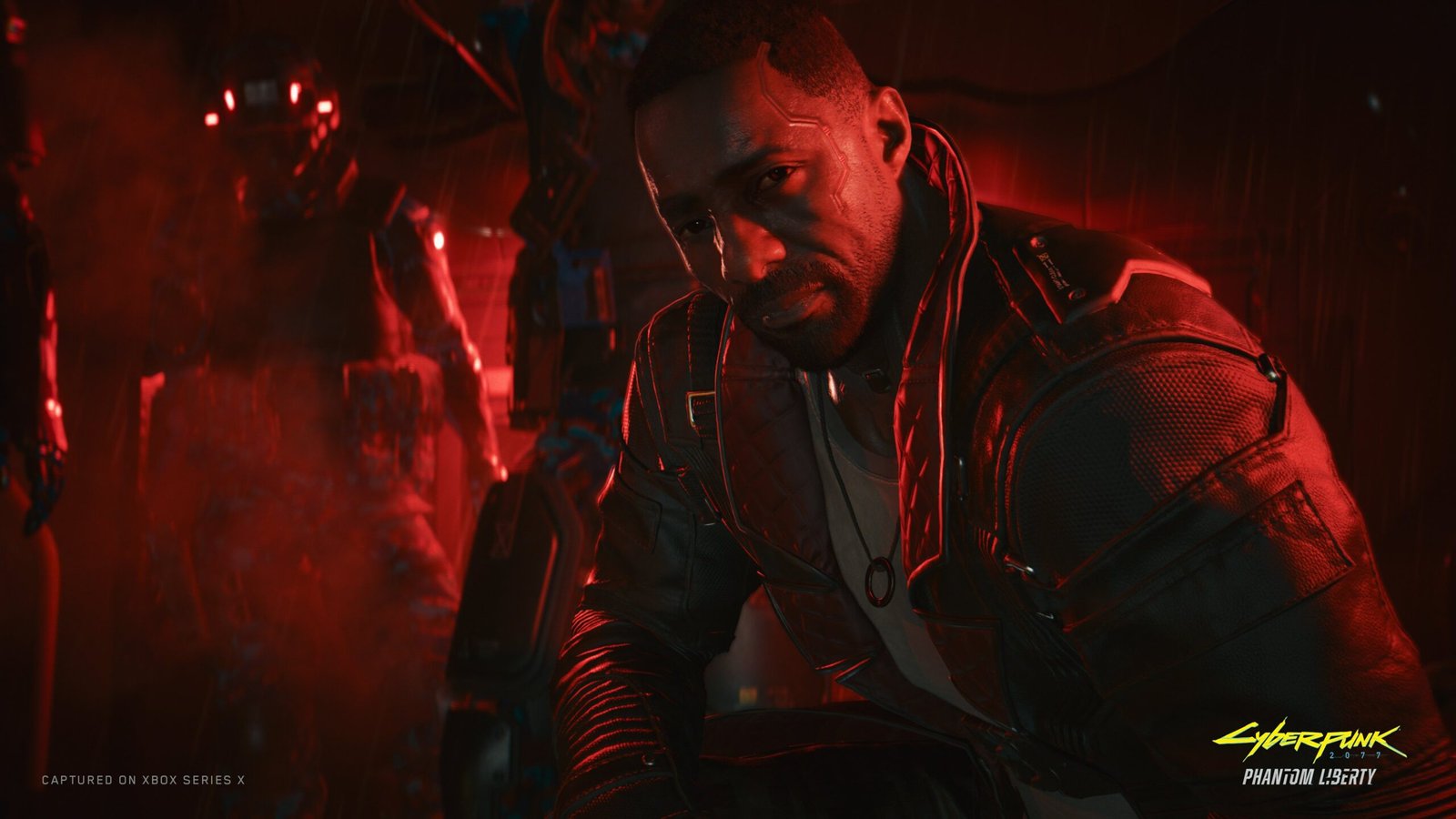
Cyberpunk 2077 is an open-world action RPG set in Night City, a neon-lit metropolis where corporations dominate daily life and technology reshapes identity. At first glance, it looks like a massive sandbox of quests, guns, and vehicles. However, the real appeal is deeper: it’s a story about power, survival, and the cost of becoming more than human. Because of that, the game feels less like a typical open-world checklist and more like a roleplaying experience built around choice and consequence.
Over the years, Cyberpunk 2077 has changed dramatically. In particular, major system updates and the Phantom Liberty expansion helped reshape combat, progression, and customization. As a result, the modern version feels more polished, more flexible, and more immersive than ever. So, whether you’re a new player or returning after a long break, this guide will help you understand what the game is today and how to get the best experience from it.
1) What is Cyberpunk 2077?
In simple terms, Cyberpunk 2077 is a story-driven RPG where you play as V, a mercenary trying to survive—and matter—in Night City. At the same time, it’s a world where people modify their bodies like software and corporations treat human beings like assets. Therefore, the game constantly asks a central question: what does it mean to stay human when everything is designed to transform you?
V and Johnny Silverhand: the core narrative engine
Most importantly, Cyberpunk 2077 is driven by the relationship between V and Johnny Silverhand, a digital personality tied to V’s fate. Consequently, the main story doesn’t just happen around you—it happens inside you. Meanwhile, Johnny’s presence turns many missions into emotional debates, because he challenges your choices and your motives. Ultimately, that tension is what gives the story its edge.
2) Night City: why the world feels alive
Night City is not just a map; it’s a mood. For example, districts feel different in sound, culture, danger level, and visual identity. In addition, the city is built around contradiction: luxury next to poverty, freedom next to surveillance, and desire next to despair. Because of that, exploring feels like discovering a functioning ecosystem rather than a theme park.
Furthermore, the city supports multiple playstyles. On one hand, you can sneak through corporate buildings like a ghost. On the other hand, you can storm into fights with blades, guns, or hacks. As a result, the same mission can feel completely different depending on your build.
3) The gameplay loop: what you do hour to hour
Generally, Cyberpunk 2077 follows a flexible loop:
- You pick a job (main mission, side job, or gig).
- Then you scout the environment (scan enemies, cameras, access points).
- Next you choose an approach (stealth, hacking, dialogue, or combat).
- After that, you improvise when things go wrong.
- Finally, you loot, upgrade, and repeat.
Importantly, the game becomes more fun when you accept improvisation as part of the fantasy. For instance, a stealth run may turn into a frantic escape, and a hacking plan might become an all-out firefight. Therefore, strong builds include not only damage but also recovery, mobility, and backup options.
4) Why Update 2.0 changed everything
Update 2.0 matters because it reshaped fundamental systems. Specifically, it improved how builds function, how perks feel, and how the world reacts to player chaos. As a result, characters feel more specialized, and combat feels more responsive to the choices you made in progression.
Perks: from minor boosts to identity choices
Before big overhauls, perks in RPGs can feel like small percentages. However, Cyberpunk’s newer approach makes perks feel more like playstyle switches. For example, you might build toward stealth dominance, mobility aggression, or hacking control. Therefore, you get fewer “samey” characters and more distinct playthroughs.
Police and open-world consequences
Likewise, open-world consequences matter because they shape how Night City feels. Consequently, the world becomes less like a static background and more like a reactive system. In other words, the city pushes back.
5) Why Update 2.2 matters (customization and long-term play)
Update 2.2 is important for a different reason. Instead of focusing mainly on combat structure, it focuses on expression, customization, and quality-of-life. For example, it expands character customization, adds more photo mode features, and supports the “late-game lifestyle” of living in Night City.
In addition, customization affects immersion. Because of that, players become more connected to their version of V, not just their stats. Moreover, photo mode improvements matter because Cyberpunk is a visually iconic game, and sharing screenshots helps the community keep the world alive.
6) Phantom Liberty: what it adds and why it feels different
Phantom Liberty is more than extra missions. Instead, it shifts the tone into a spy-thriller structure, including political stakes, secret agendas, and dangerous alliances. As a result, it feels like a second major storyline rather than side content.
Dogtown: a new kind of pressure
Dogtown is a district shaped by control, violence, and instability. Therefore, it feels harsher than many base-game zones. Meanwhile, missions inside Dogtown often emphasize paranoia and negotiation, which changes how you approach objectives.
New progression flavor
In addition, Phantom Liberty introduces new ways to grow your character, which encourages experimentation. Consequently, even experienced players find reasons to re-learn their build logic.
7) Cyberpunk 2077 builds: choosing your playstyle identity
To choose a build, it helps to think of combat as a “problem-solving language.” In other words, your build defines how you answer questions like: “How do I enter this building?” or “How do I survive this ambush?” Therefore, the best build is the one that matches your instincts.
A) Netrunner build (hacking and control)
First, netrunner builds focus on quickhacks, scanning, and disabling enemies through technology. For example, you can neutralize threats without direct gunfire by manipulating cameras, turrets, and enemy implants. As a result, the playstyle feels strategic and powerful.
However, netrunning also requires patience. Therefore, many players pair it with stealth or smart weapons to stay flexible.
B) Sandevistan build (time dilation speed)
Next, Sandevistan builds revolve around speed and burst damage. In practice, you trigger time dilation, eliminate high-priority enemies, and reposition before the fight stabilizes. Consequently, the combat feels cinematic and aggressive.
On the downside, it can encourage reckless behavior. So, survivability cyberware and mobility perks are essential.
C) Street Samurai / Katana build (blades and precision)
Similarly, katana builds emphasize close-range dominance, movement, and momentum. For instance, you can slice through enemies quickly if you manage positioning well. Moreover, melee builds pair naturally with speed-based cyberware.
Nevertheless, close combat is riskier against heavy gunfire. Therefore, you need defensive tools or tactics to avoid being shredded on approach.
D) Stealth build (infiltration and silent execution)
Meanwhile, stealth builds focus on scouting, silent takedowns, and controlled movement. As a result, missions become puzzles rather than arenas. In addition, stealth synergizes with hacking because cameras and enemy awareness systems can be turned into advantages.
However, stealth can slow the pace. So, keep a backup plan for when stealth breaks.
E) Gun builds (power, smart, and tech weapons)
Finally, gun builds are versatile and approachable. For example, power weapons deliver raw impact, smart weapons support tracking and target management, and tech weapons reward charge shots and angle control. Therefore, you can tailor gunplay to your preferred rhythm.
Still, gun builds shine most when specialized. In other words, you should choose a weapon ecosystem and invest perks accordingly.
F) Hybrid builds (the most consistent option)
In many cases, hybrid builds are the most reliable because they reduce weakness. For instance, stealth + netrunner allows ghost-style gameplay, while katana + light hacking gives melee dominance with control tools. As a result, you stay effective across mission types.
8) Cyberware: how to upgrade without confusion
Cyberware can feel overwhelming at first. However, it becomes manageable when you use a simple framework:
Step 1: Choose your rhythm
- Burst damage
- Sustain survival
- Control disruption
Step 2: Choose your positioning style
- Aggressive close-range
- Tactical cover-based
- Stealth and avoidance
Step 3: Choose an escape plan
This is crucial because fights rarely go perfectly. Therefore, your build needs a “panic button,” such as mobility, crowd control, defense boosts, or hacking shutdowns.
Ultimately, the best cyberware isn’t just flashy. Instead, it supports the way you actually play under pressure.
9) Weapons, tools, and making combat feel fresh
Combat stays fun when you mix tools. For example, quickhacks, grenades, movement, and environmental awareness all prevent encounters from becoming repetitive. In addition, weapon swapping and crowd control options help you adapt when enemies change tactics.
Moreover, a good loadout tells a story. In other words, your gear becomes roleplay. Therefore, choosing weapons that match your V’s personality makes missions feel like scenes, not chores.
10) Quests: main jobs, side jobs, and gigs (what to prioritize)
Cyberpunk 2077 contains layers of content. To start, main jobs move the central narrative forward. Meanwhile, side jobs often deliver the most memorable character arcs. Finally, gigs act as compact mission loops that let you practice builds and earn money.
Because of that, the best experience usually comes from mixing all three. In addition, doing gigs early makes it easier to afford cyberware and upgrades, which improves your overall flow.
11) Endings: why Cyberpunk’s conclusions hit harder
Cyberpunk’s endings are popular because they aren’t simple “good vs bad” outcomes. Instead, they reflect what you value: freedom, loyalty, survival, power, or dignity. Therefore, the ending you choose becomes a statement about your version of V.
Similarly, Phantom Liberty adds more complexity. As a result, you may face choices where every option feels expensive. Ultimately, that discomfort is the point: cyberpunk stories rarely allow clean victories.
12) New player guide: how to start strong
If you’re new, you want momentum early. So, follow these steps:
- Choose one core identity first, then hybridize later.
- Prioritize survivability and mobility, because staying alive keeps the game fun.
- Use gigs as training, since they reveal weaknesses safely.
- Scan constantly, because recon turns “hard” into “manageable.”
- Let the city breathe, because Cyberpunk is a vibe as much as a game.
As a result, you’ll feel powerful sooner and less frustrated.
13) Returning player guide: what to expect now
If you played earlier and stopped, the game may feel different today. For example, progression choices have stronger identity impact, and the world responds more meaningfully. Therefore, treat your return like a soft reboot.
To do that:
- pick a new archetype you didn’t play before
- rebuild your habits around scanning, movement, and control
- experiment with cyberware combinations instead of chasing only damage
Consequently, the game will feel fresh rather than merely “revisited.”
14) Why Cyberpunk 2077 sticks with people
Cyberpunk 2077 endures because it captures a specific contradiction: Night City is beautiful and disgusting at the same time. In other words, it’s a place where dreams are sold and lives are spent like currency. However, the city is still full of people trying to love, survive, and matter anyway. Therefore, the story resonates beyond the guns and upgrades.
Moreover, the game’s best moments often aren’t the biggest explosions. Instead, they’re quiet scenes where you realize what your choices cost. Ultimately, that’s what cyberpunk as a genre does best: it uses technology and power as the backdrop for deeply human questions.
15) FAQ (high-intent answers)
Is Cyberpunk 2077 worth it in 2025?
In most cases, yes—especially if you like story-driven open-world RPGs with strong atmosphere and flexible builds. Because the game has matured through major updates and expansions, it offers a more complete experience now.
Is Phantom Liberty worth it?
If you enjoy spy-thriller tension, political stakes, and difficult choices, then Phantom Liberty is a major upgrade. In addition, Dogtown provides a distinct tone that feels different from the base map.
What is the best Cyberpunk 2077 build?
It depends on your preferred rhythm. For example:
- control and stealth → netrunner
- speed and aggression → sandevistan / katana
- versatility → gun builds
- reliability across mission types → hybrids
What should I upgrade first?
Generally, survivability and mobility first, then specialization. That way, you stay alive while learning mission flow.
Conclusion: the definitive Night City experience
Cyberpunk 2077 today is a complete, flexible RPG where your build shapes your identity and your identity shapes your story. Because the game supports multiple playstyles, it rewards experimentation and improvisation. In addition, updates like 2.0 and 2.2 sharpen progression and deepen customization, while Phantom Liberty expands the tone into espionage and higher stakes. Ultimately, the best way to play is to pick a fantasy, commit to it, and let Night City test who you become.
